
Political Analysis
BANGSAMORO AT A CROSSROADS: WHY THE ELECTION MATTERS FOR SECURITY AND PROSPERITY IN THE PHILIPPINES AND BEYOND
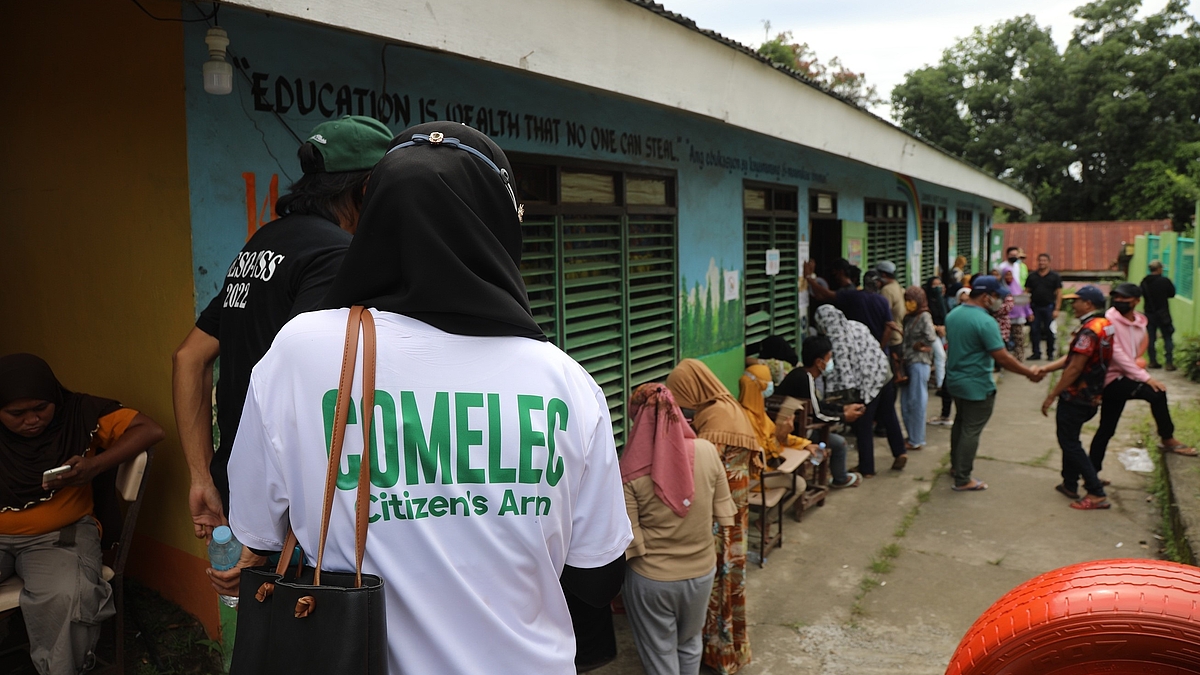
Election watchdogs and civil society volunteers conduct inspection and monitoring in one of the schools where the classrooms are used as voting places for the plebiscite in 2022
© 2022-2024 Bangsamoro Information Office. All Rights Reserved.
The delays in conducting the first parliamentary elections in the Bangsamoro Autonomous Region in Muslim Mindanao (BARMM)—a Muslim-majority autonomous region in the southern islands of Mindanao in the Philippines—have introduced further complexities to the already fragile implementation of the 2014 Comprehensive Agreement on the Bangsamoro (2014 CAB)[i] between the Government of the Republic of the Philippines (GPH) and the Moro Islamic Liberation Front (MILF). It is not only slowing down the momentum of crucial social preparations for the establishment of full democratic and deliberative party politics in the autonomous region; but is now gradually eroding public confidence and trust in the entire process as well. These challenges, compounded by unsettled issues in decommissioning and normalization, add to the growing sense of uncertainty about the ultimate outcome of the peace process. It also raises significant questions on the long-term impacts on security, political autonomy, and social development not only for Muslim Mindanao and the Philippines but also for the wider Southeast Asian (SEA) region.
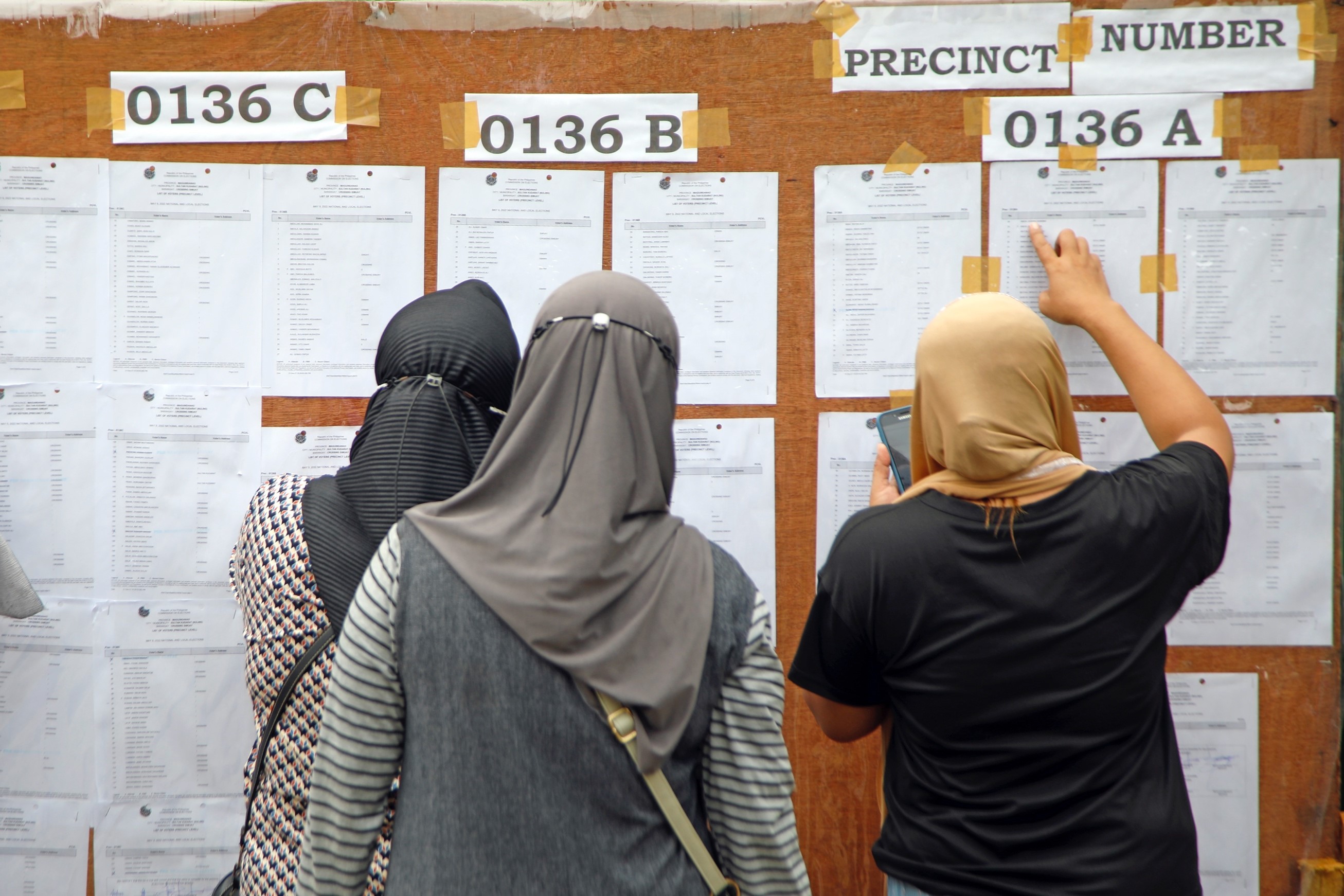
Voters in Kabacan, North Cotabato looking through the list of voters in the precincts to find the exact location of their voting places in 2022 plebiscite for the BARMM Special Geographic Area
© 2022-2024 Bangsamoro Information Office. All Rights Reserved.
Legal Setbacks and Election Delays in the BARMM
On 01 October 2025, the Philippine Supreme Court issued a ruling that invalidated the districting laws enacted by the interim Bangsamoro parliament.[ii] This resulted in the suspension of the BARMM elections, which had been scheduled to take place on 13 October 2025. Notably, this marks the third instance in which a regional election for the Bangsamoro Autonomous Region in Muslim Mindanao has been postponed. The two prior delays were due to the enactment of specific laws by the Philippine Congress.
The first parliamentary elections for the BARMM was originally slated for 2022 pursuant to the Bangsamoro Organic Law.[iii] This election was meant to bookend a relatively short 3-year political transition process under an interim parliament – the Bangsamoro Transition Authority (BTA) – to be led by the MILF. Due to the complications brought about by the intervening COVID-19 pandemic, however, the transition process was extended by the Philippine Congress for another three years to allow the newly created autonomous region to catch up in the process of building up the BARMM bureaucracy and its vital institutions towards full autonomy.[iv]
In September 2024, another legal setback struck the BARMM with the decision of the Supreme Court of the Philippines that ordered the exclusion of the Province of Sulu from the autonomous region.[v] This set the stage for another revisiting of the timing of the first regular BARMM elections, as the removal of a major portion of the autonomous region’s territory effectively upended the original distribution and apportionment of the parliamentary district seats[vi] in the 80-member Bangsamoro Parliament, in which the Province of Sulu was still allocated 7 out of the total 32 district seats. Thus, Congress enacted Republic Act no. 12123, further rescheduling the date for the first elections in the BARMM from 12 May 2025 to 13 October 2025.
In the meantime, the BTA went back to working on a new districting law but this was ultimately struck down by the Supreme Court after a finding that it grouped non-contiguous territories contrary to the Bangsamoro Organic Law’s criteria for parliamentary districts. In the same ruling, the high court likewise ordered the BTA to enact another districting law with haste to give ample time for the Philippine election commission to administer the first BARMM elections on or before 30 March 2026. However, it was only on 13 January 2026 that Bangsamoro Autonomy Act no. 86 was approved and adopted by the interim parliament as the third districting law of the BARMM.
Due to the time lost to the delayed approval of the third districting law, the Philippine Commission on Elections (COMELEC) declared that it is no longer feasible to administer the BARMM elections by the court-mandated March 2026 deadline. On 28 January 2026, the COMELEC officially recalled its prior directive gearing up for an election in the BARMM in March 2026.[vii] They also suspended preparations to that effect until a new law is passed by Congress fixing a new date for the BARMM elections.[viii]
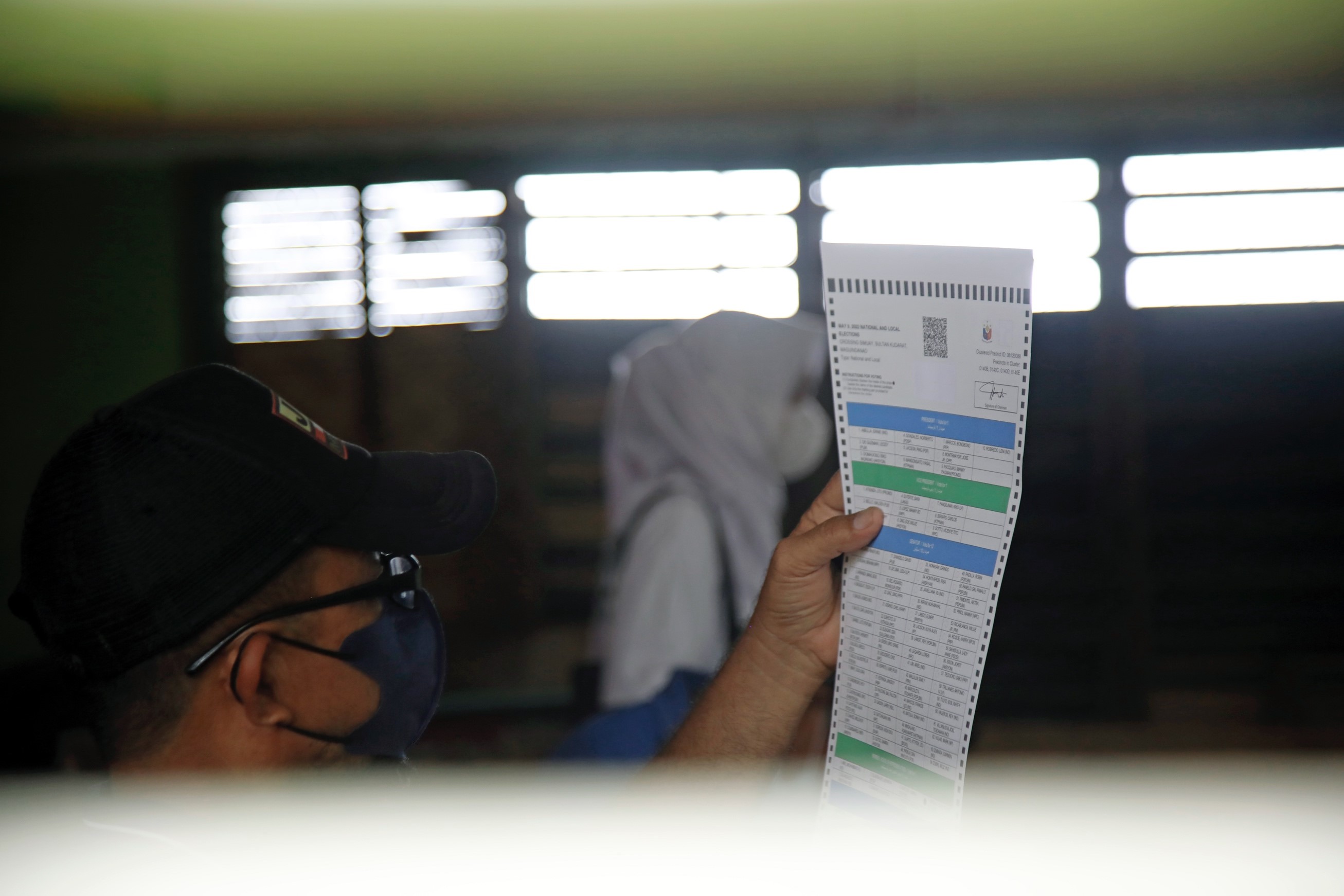
A voter inside the classroom in Cotabato City Elementary School inspects the COMELEC issued ballot for the 2022 national and local elections
© 2022-2024 Bangsamoro Information Office. All Rights Reserved.
Prolonged Absence of Democratic Mandate and the Crisis of Confidence
While it is evident that the BARMM elections will no longer push through on 30 March 2026, it remains unclear when and how the new date will be fixed. This then leaves the BARMM’s over 2.3 million voters hanging as to when and how they may exercise their right of suffrage and form the government of their choosing. Notably, the people in the autonomous region have been denied of their right to elect region-level officials for too long now. The last time the voters of the present-day Bangsamoro region trooped to the polls to elect regional officials was way-back in 2016, pre-dating the creation of the BARMM.[ix]
Fast forward to 2026, the Bangsamoro electorate is again about to lose another opportunity to directly choose their regional leaders. This persistent postponement of the right of suffrage now serves as a veritable barrier to the population's participation in the political process. In fragile settings transitioning from prolonged conflict such as the BARMM, the importance of enabling political participation cannot be overstated.[x] From the experience of other similar contexts elsewhere in the globe, elections have been absolutely instrumental for the restoration of trust and legitimacy among all stakeholders. Transitional elections is not merely procedural or symbolic. It is one of the primary and most tangible means of rebuilding the confidence of the public in political institutions that has been lost or destroyed during the long periods of conflict and instability. Conversely, therefore, the repeated exclusion of the population from making key political decisions—such as the selection of their own leaders—eliminates the possibility of sustained trust-building.
Persistently delaying the vote also runs the risk of forfeiting a once in a lifetime opportunity for the BARMM to consolidate a democratic and peace-promoting framework of political contestation. Elections is a well-tested mechanism for enabling a peaceful and democratic transfer of power during periods of political transition. [xi] It signifies the return of political order after long periods of upheaval. In post conflict societies, elections are particularly relevant as it offers the best platform for all stakeholders—including former adversaries—to engage constructively and effectively within the democratic spaces.[xii] By shifting the stage of contestation from violent confrontation to deliberative competition, elections can help reduce the risk of renewed conflict and promote long-term stability in societies undergoing transition. Importantly, allowing the people to vote provides post-conflict communities with a foundation rooted in democratic principles for the charting their collective political future. For these reasons, the conduct of credible election has become a defining milestone in many transitional contexts worldwide, as it is now in the BARMM.
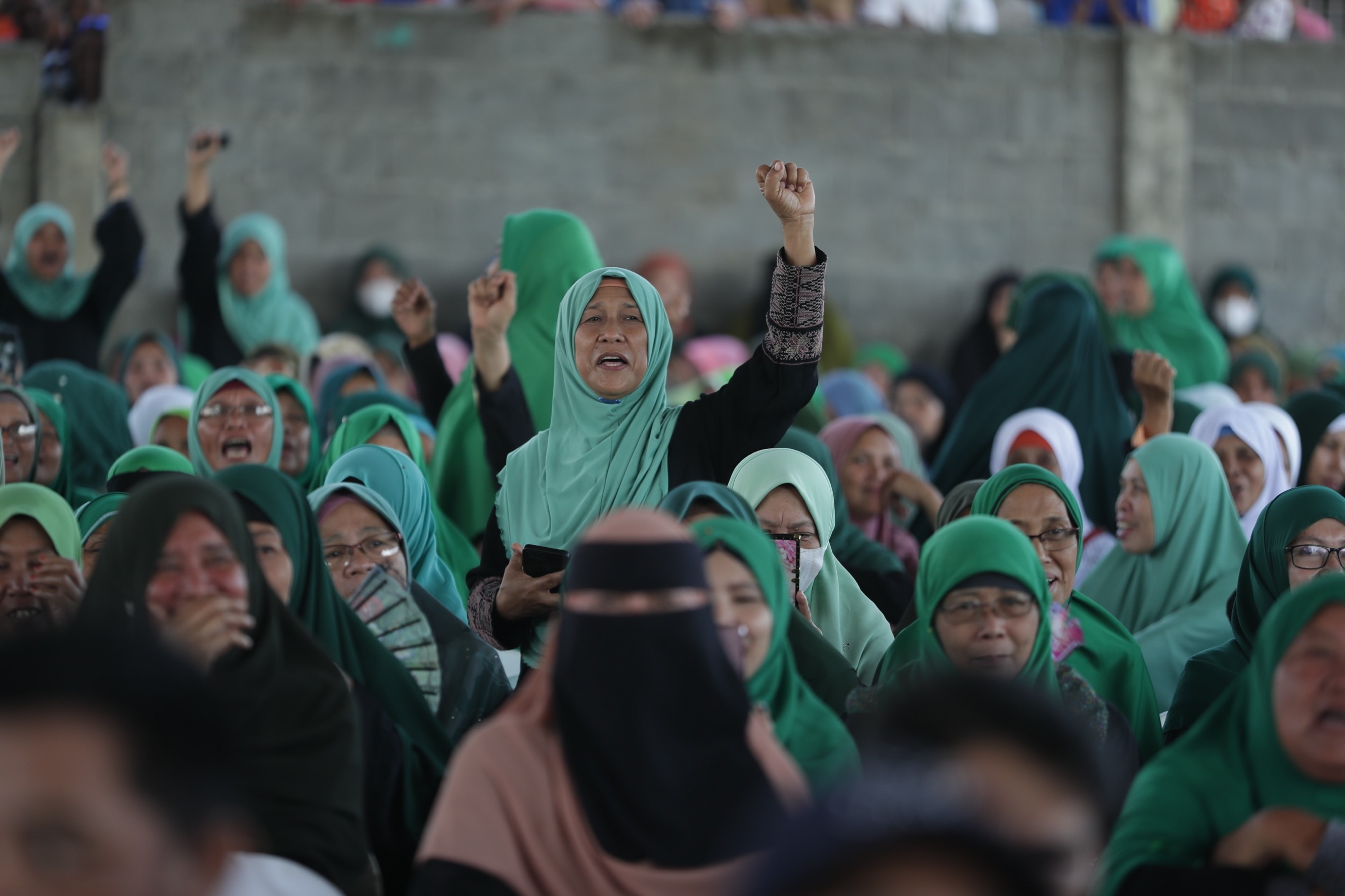
Members of the Bangsamoro Islamic Armed Forces (BIAF) Women Auxiliary Battalion of the Moro Islamic Liberation Front (MILF) take part in a rally and voter education campaign in Camp Darapanan in 2022 for the plebiscite in the BARMM Special Geographic Area
© 2022-2024 Bangsamoro Information Office. All Rights Reserved.
Election Delays and Normalization Issues as Critical Flashpoints in the Bangsamoro Peace Process
The absence of elections many years into the transition phase of the Bangsamoro accords is essentially delaying the realization of a core promise of the peace process: the empowerment of the Bangsamoro people to freely elect their own representatives and government.
When the BARMM was established in 2019, governance in the new autonomous region was placed under a temporary, appointed BTA upon the premise that after a short transition process, the reins of government shall be turned over to democratically elected officials. This has not come to pass. After seven years, the BARMM remains to be governed by an un-elected interim parliament whose tenure is not yet fully anchored on the democratic ratification of the sovereign people through the ballot but is tied to the confidence of the appointing authority. This has tremendous implications for the delineation and exercise of political autonomy and decentralization for the BARMM. Moreover, it also directly impedes the smooth rollout of the political track of the peace roadmap set forth by the 2014 CAB.
The holding of the first regular parliamentary elections in the BARMM serves as a pivotal milestone in the roadmap set forth by the Bangsamoro peace accords. This event is intended to mark the formal conclusion of the political transition phase for the newly established BARMM.[xiii] The significance of the elections is heightened by its parallel relationship with normalization achievements under the same peace framework. The electoral process is envisioned as a high point in the transformation of the MILF—from its roots as an armed rebel organization into a legitimate political party and social movement. By participating as a candidate in the parliamentary elections, the MILF is expected to further solidify its shift from armed struggle to democratic engagement. It is through the elections that their resolve to peace and the rule of law can be demonstrated, as they willingly submit themselves to the judgment of the people in the ballot.
However, the persistent postponement of the first parliamentary elections has generated significant complications that are closely interlinked with ongoing tensions within the normalization track of the peace agreement. While electoral delays may appear to be strictly political in nature, they cannot be separated from the security-related challenges inherent in the normalization process. The two aspects are deeply intertwined; such that, each postponement of the elections also delays critical normalization objectives, impeding the full implementation of the entire peace accord itself.
The persistent delay of the first regular parliamentary elections in the BARMM, coupled with ongoing challenges in the normalization process—particularly the decommissioning of MILF combatants and their weapons—imposes considerable strain on the integrity and resilience of the region’s political transition and the broader peace process in the Bangsamoro Autonomous Region. The root of these tensions lies in a growing perception that the mutuality and reciprocity between the parties in the implementation of the peace agreement has gradually weakened over time, culminating in July 2025, when the MILF made the consequential decision to suspend the final phase of decommissioning its remaining 14,000 forces. The MILF’s decision to pause the completion of the decommissioning process serves as a clear indication of its mounting frustration and declining confidence citing key commitments that remained unfulfilled as the implementation of the peace agreement moves forward.
The postponement of decommissioning underscores the fragility of the current peace process. It puts the spotlight on the risks and uncertainties that arise when agreed milestones are delayed or neglected. Ultimately, these developments reveal the delicate balance underpinning the political and normalization tracks, emphasizing the urgent need to address outstanding commitments to safeguard the long-term prospects for stability and lasting peace in the Bangsamoro region.
To be sure, the normalization track of the Bangsamoro peace process has seen tangible progress over the years. However, the same has been relatively uneven and certainly not without controversy. For instance, out of the 26,145 combatants that have already been decommissioned, only 1,286 came from MILF-recognized camps.[xiv] This discrepancy underscores the inherent complexity of the reintegration efforts, wherein there is a significant disconnect between formal targets outlined on paper in the agreements versus the realities unfolding on the ground.
Other commitments under the normalization track of the Bangsamoro peace agreement, including the disbandment of private armed groups and the gradual reduction of military forces in the BARMM, which are intended to consolidate civilian authority, have also seen slow progress. Meanwhile, the region continues to grapple with increasing horizontal and clan-based conflicts, political violence, rebel in-fighting, the presence of pockets of violent extremist elements, and entrenched private armed groups.
The cumulative effect of delayed electoral processes, incomplete normalization efforts, and the slow pace of other security-oriented reforms has created an environment marked by ongoing insecurity and violence within and around the Bangsamoro Autonomous Region. This landscape is defined by its deeply entrenched challenges, making the path toward sustainable peace particularly difficult to navigate.
Without the full realization of normalization and other key political commitments such as the holding of the parliamentary elections, the risks to local and regional stability remain high. This, in turn, would not only jeopardize the immediate security of communities but also threaten to derail the long-term aspirations for peace and self-governance in the Bangsamoro and beyond.
© 2022-2024 Bangsamoro Information Office. All Rights Reserved.
Global Impact and the Consequences for Security, Autonomy, and Decentralization
Since its inception in 2011, the Bangsamoro peace process has garnered substantial international attention due to its far-reaching impact on both regional and global security. The 2014 CAB, which signaled the formal ending to the decades-long armed conflict between the Government of the Republic of the Philippines and the MILF, has been hailed as a model of modern-day intrastate conflict resolution.[xv] Some observers regard it as one of the remaining “success stories” in international peacebuilding as it resoundingly demonstrated the triumph of negotiated settlement and diplomacy over military force and violence. The narrative of the Bangsamoro peace process now serves as a global case study on conflict transformation for other conflict-affected areas, offering insights into the criticality of moral and good governance, power and wealth sharing, cultural sensitivity, inclusivity, multi-stakeholder engagement, and reconciliation.
The creation of the autonomous regional authority for the Bangsamoro, as established through the peace agreement, showcases the transformative potential of power sharing and wealth sharing arrangements rooted in federal and decentralized governance for the resolution of protracted conflicts. By institutionalizing fiscal and political autonomy and advancing decentralization, the Bangsamoro example once again demonstrates to the world how fiscal and political arrangements drawn from important traditions of federalism and decentralized multi-level governance can serve as effective tools for conflict management and sustainable peacebuilding.
However, the complete achievement of autonomy and decentralization in the Bangsamoro region depends on the establishment of stable and enduring institutions.[xvi] These institutions are, after all, responsible for mediating the power and resource sharing arrangements between the central government and the autonomous regional authority through intergovernmental relations mechanisms. While ongoing discussions aimed at clarifying and defining the boundaries of this power and resource sharing during the transition are useful, these can only be truly effective if both governments are capable of operating independently from but cooperatively with one another. Elections would surely enable this needed stability. The repeated delays in the elections, in this regard, also directly impacts the consolidation of autonomy and decentralized governance in the Bangsamoro.
Finally, it must be underscored that the success of the Bangsamoro initiative bears encompassing security implications that extend well beyond the confines of domestic politics. For this reason, the Bangsamoro peace process has become a significant reference point in the field of international peacebuilding and counter-terrorism cooperation. Some observers have recognized that the relative stability brought about by the peace agreement in the southern Philippines has contributed to a decrease in terrorist activities carried out by Jihadist cells and various criminal groups operating across the broader Southeast Asian region.[xvii] This environment of relative quiet and security has also played a key role in supporting efforts to combat transnational crimes and foster greater regional stability.
International actors who have long supported counterterrorism and peacebuilding efforts in the Southeast Asian region are closely monitoring the peace process in the Bangsamoro. Should the Bangsamoro peace process stall, it could create obstacles for international and regional collaboration on security and development matters, making it more challenging to respond to threats and coordinate effective interventions. Conversely, visible progress in the peace process would have the opposite effect in strengthening regional stability while affording the Philippines a golden opportunity to deliver on its commitment to advancing democratic principles in the Bangsamoro. The trajectory of the peace process clearly carries substantial implications not only for local communities but also for the broader international community’s peacebuilding and security agenda in Southeast Asia.
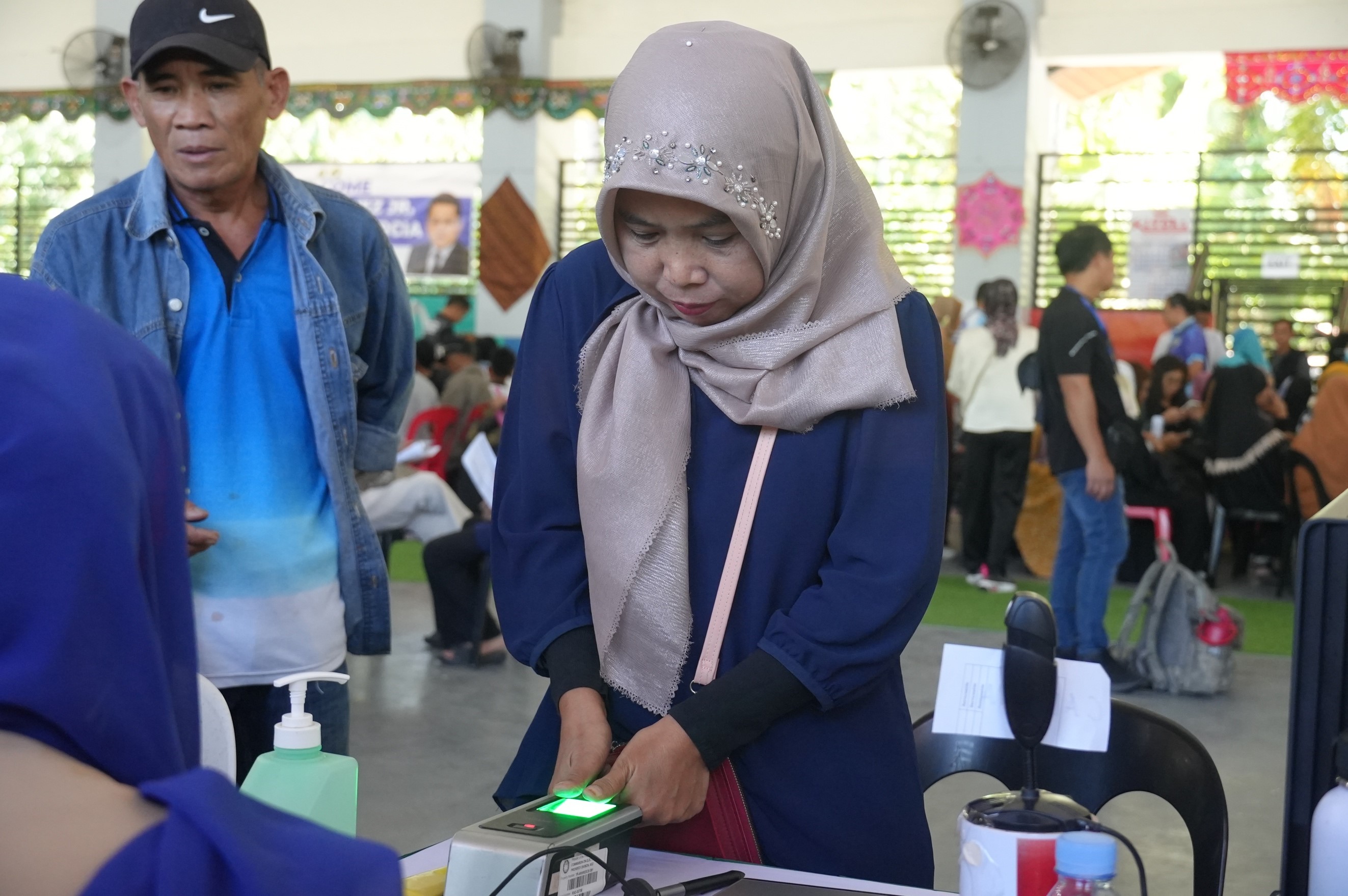
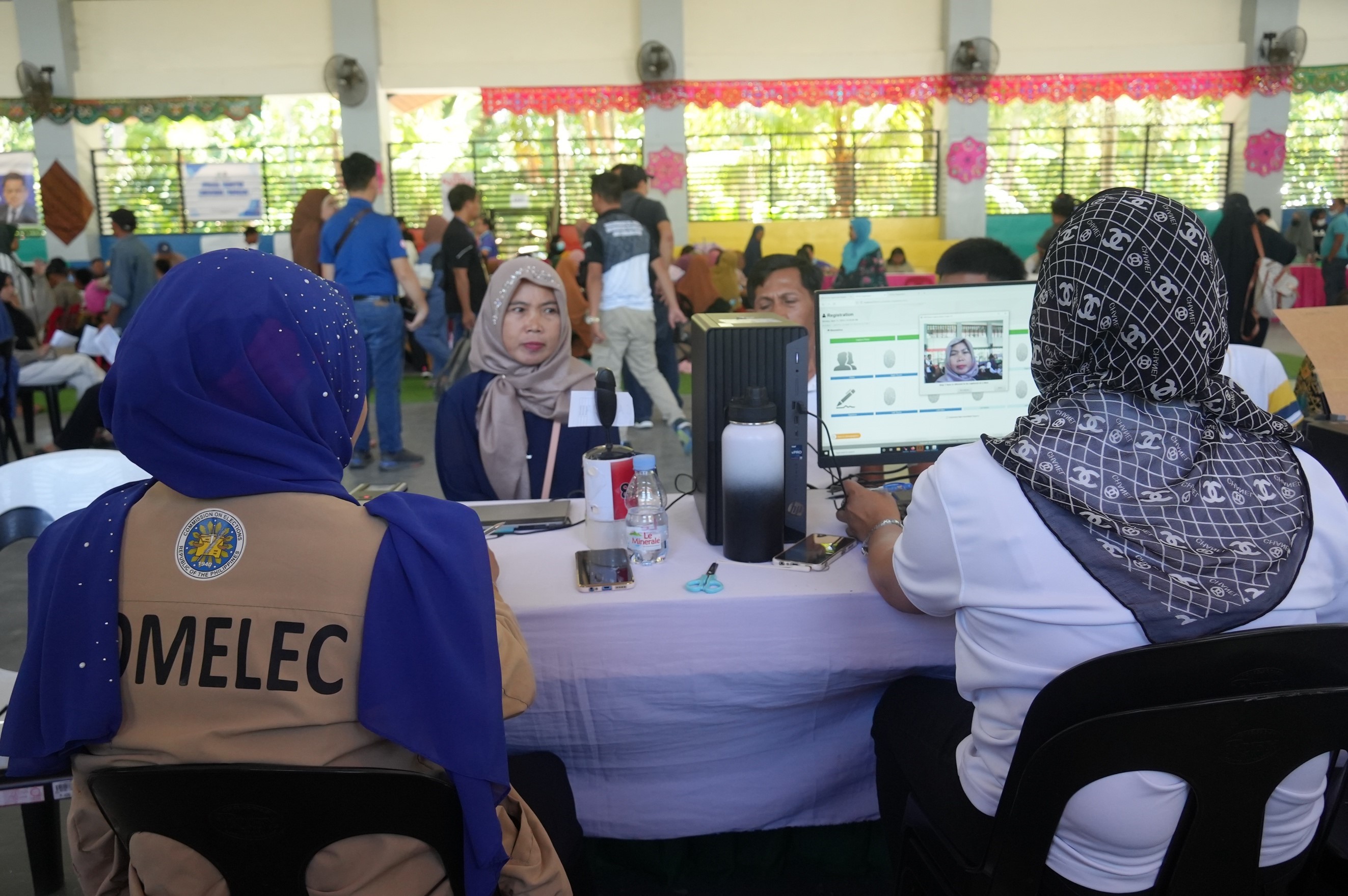
Commission on Elections personnel conduct Voter Registration and Biometric Data collection, 2024
© 2022-2024 Bangsamoro Information Office. All Rights Reserved.
BARMM, Quo Vadis?
The Bangsamoro Autonomous Region in Muslim Mindanao (BARMM) faces a crucial juncture as the repeated delays in holding its first parliamentary elections threaten to undermine both regional stability and broader national aspirations for peace and progress. The significance of these elections extends well beyond local governance, serving as a critical benchmark for the fulfillment of the 2014 CAB. In the same breath, the successful conduct of the elections is essential for establishing a legitimate, democratically elected parliament that can guide the region toward effective self-governance, sustainable development, and lasting peace.
At this crossroads, the timely and credible conduct of the first parliamentary elections stands as a decisive factor in charting the shared future of security and prosperity. It represents both a symbolic and practical test of the BARMM’s capacity for democratic governance and the Philippine government’s commitment to upholding the peace agreement. The outcome of this process will have enduring implications for the region’s stability, the empowerment of its people, and the realization of a just and inclusive society.
References
[i] 2014 Comprehensive Agreement on the Bangsamoro. Accessible at: peacemaker.un.org/sites/default/files/document/files/2024/05/ph140327comprehensiveagreementbangsamoro.pdf
[ii] Lanang T. Ali, Jr., et. al v. Bangsamoro Transition Authority, et. al. (G.R. No. E02219/G.R. No. E-02235). September 30, 2025. Accessible at: sc.judiciary.gov.ph/e-02219-e-02235-lanang-t-ali-jr-samsodin-c-amella-and-datuan-magon-jr-vs-bangsamoro-transition-authority-parliament-abdulraof-a-macacua-in-his-capacity-as-the-interim-chief-minister-of-t/
[iii] Rep. act no. 11054, art. XVI.
[iv] Republic Act no. 11593 was passed into law in 2021 setting the new date for the BARMM elections to May 2025, to coincide with the 2025 mid-term national and local elections.
[v] Province of Sulu v. Executive Secretary (G.R. No. 242255). September 09, 2024. Accessible at: https://elibrary.judiciary.gov.ph/thebookshelf/showdocs/1/69588
[vi] See Bangsamoro Autonomy Act no. 58
[vii] COMELEC Resolution 26-0071, 28 January 2026, cited in Ferdinand Patinio, “Comelec postpones BARMM parliamentary polls.” Philippine News Agency. Accessible at: www.pna.gov.ph/articles/1267933
[viii] As of this writing, two legislative measures have been filed in the House of Representatives and the Philippine Senate on the re-setting of the first BARMM Parliamentary Elections and initial committee-level deliberations on these two bills indicated a preference for scheduling the elections in September 2026. This is a developing story.
[ix] John Unson. May 15, 2016. “ARMM reelects Hataman, Lucman”. Philstar.com www.philstar.com/nation/2016/05/15/1583461/armm-reelects-hataman-lucman
[x] Annette M. Fath-Lihic and Dawn Brancati, “Elections and Peacebuilding: Why the timing and sequencing of transitional elections matter.” Policy Brief no. 4. Kofi Annan Foundation. Accessible at: www.kofiannanfoundation.org/wp-content/uploads/2017/05/Elections-and-Peacebuilding.pdf
[xi] Ibid.
[xii] Elections, Power Transitions, and the Risk of Atrocity Crimes (2025), Policy Brief. Global Centre for the Responsibility to Protect. Accessible at: www.globalr2p.org/publications/elections-power-transitions-and-the-risk-of-atrocity-crimes/
[xiii] See: 2012 Framework Agreement on the Bangsamoro. Accessible at: peacemaker.un.org/sites/default/files/document/files/2024/05/ph121015frameworkagreementbangsamoro.pdf. See also: 2013 Annex on Transitional Arrangements and Modalities. Accessible at: peacemaker.un.org/en/node/8871
[xiv] Carolyn O. Arguillas. August 25, 2025. “Only 1,286 out of 26,145 decommissioned combatants are from MILF camps.” MindaNews. Accessible at: mindanews.com/peace-process/2025/08/only-1286-out-of-26145-decommissioned-combatants-are-from-milf-camps/
[xv] See: Speech by Arnaud Peral UN Resident Coordinator. “Building Peace in the Philippines: Lessons and Hopes from the BARMM.” 15 August 2025. Accessible at: philippines.un.org/en/299872-building%C2%A0peace%C2%A0%C2%A0%C2%A0philippines%C2%A0lessons%C2%A0and%C2%A0hopes%C2%A0%C2%A0%C2%A0barmm. See also Commentary “The Philippines: Keeping the Bangsamoro Peace Process on Track.” 30 January 2024. International Crisis Group. Accessible at: www.crisisgroup.org/cmt/asia/south-east-asia/philippines/philippines-keeping-the-bangsamoro-peace-process-on-track
[xvi] See Christine Bell (2018). “Political Power-Sharing and Inclusion: Peace and Transition Processes.” PA-X Report: Power-Sharing Series.
[xvii] Mullins, S. (2020) “25 Years of Terrorism and Insurgency in Southeast Asia” in A. Vuving (Ed.) Hindsight, Insight, Foresight: Thinking About Security in the Indo-Pacific (Daniel K. Inouye Asia-Pacific Center for Security Studies, 2020).

About the Author
Mohammad Al-Amin Julkipli is a legal professional with extensive background and more than a decade of experience in peace building, transitional justice, human rights, and development work. Proficient in public policy, legislative, legal and technical consulting, and in programme and project management, he has successfully helped steer landmark policy initiatives and delivered various development projects in various capacities.
Atty. Julkipli is currently the Assistant Attorney General of the Bangsamoro Autonomous Region in Muslim Mindanao, having been appointed in January 2024. On 16 September of 2024, he was designated as the Officer-in-Charge (OIC) Bangsamoro Attorney General.
Kontakt
