
World NGO Day
Strengthening Climate Action through Civil Society Collaboration: Reflections from Different Regions
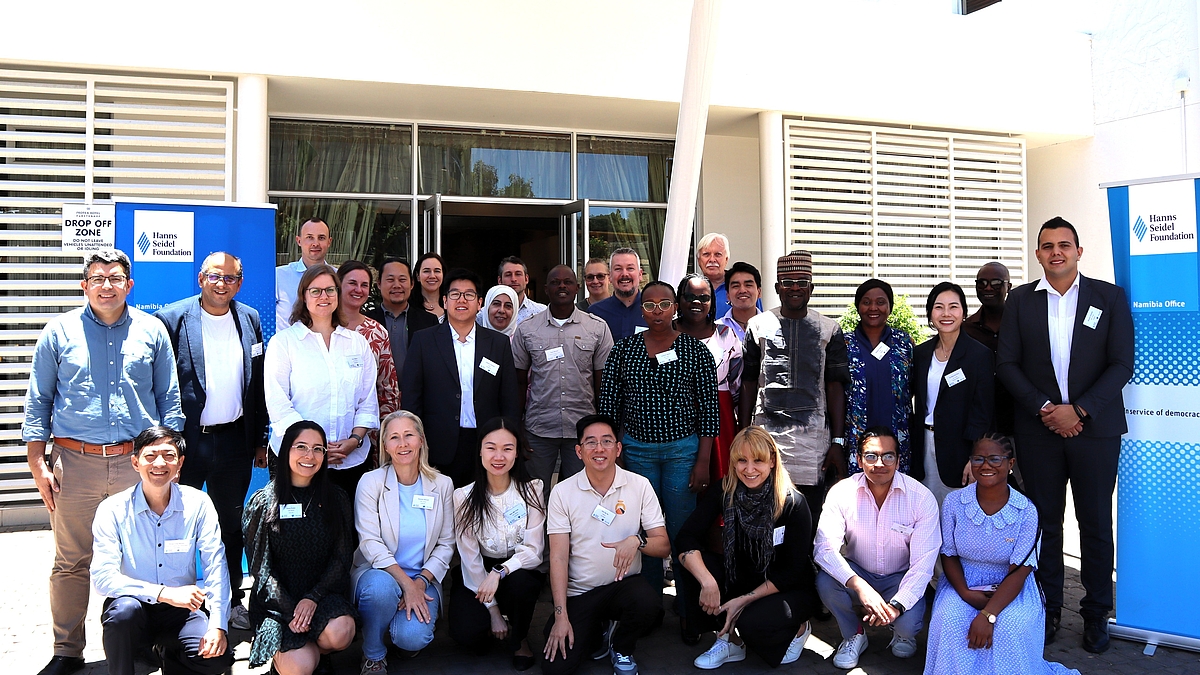
Civil society partners convening to exchange experiences and strengthen coordinated climate action
HSS
Civil society organisations play a pivotal role in addressing climate change in the Global South. Operating at the intersection of communities, ecosystems, and policy processes, they respond directly to climate impacts while advocating for inclusive and sustainable solutions. Although their work is shaped by specific political, social and environmental contexts, many challenges are shared across regions.
These include limited access to decision-making structures, fragmented knowledge networks, constrained civic space, and difficulties in scaling up locally grounded initiatives. In this context, civil society networks play a critical role by enabling exchange, shared learning, and coordinated action across borders.
To mark World NGO Day on 27 February 2026, we asked civil society actors from different regions to reflect on a key question: Why do civil society networks matter for climate action? Their responses, presented below, highlight both regional diversity and shared experiences.
Middle East & North Africa (MENA)
“Civil society networks contribute to building a strong bottom-up approach for effective climate action. They play a critical role in supporting underserved and marginalised communities by serving as intermediaries between these communities and their governments. They work together to enhance the collective impact on human wellbeing and society by translating global and/or regional climate strategies into locally led actions, building resilient ecosystems and communities, and exchanging information and best practices to improve local knowledge and expertise.”
Karma Bou Azza, Lebanon Reforestation Initiative, Lebanon
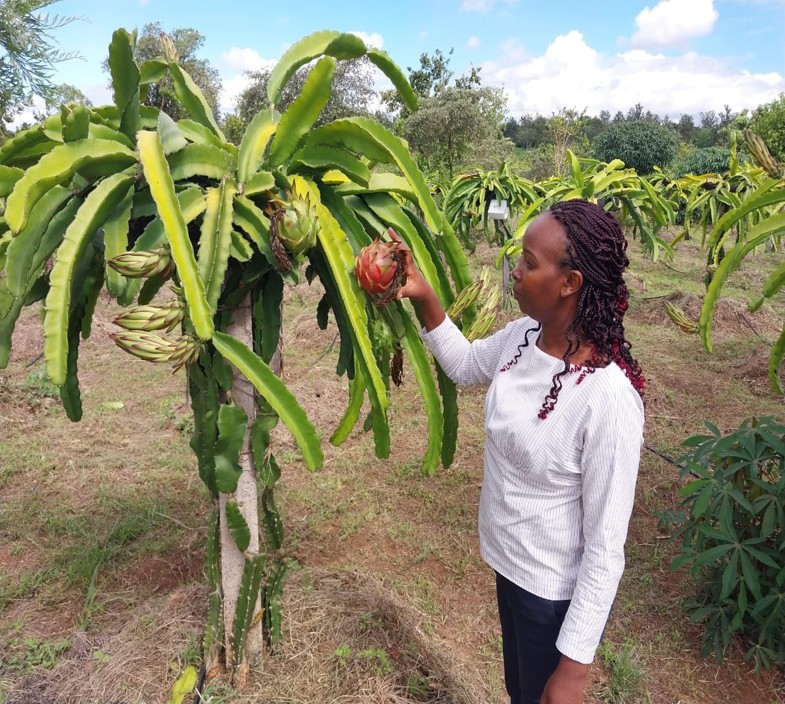
On-site review of a pilot project demonstrating locally grounded approaches to adaptation and mitigation
HSS
Sub-Saharan Africa
“Civil society networks amplify public trust, strengthen the legitimacy of locally led member organisations and serve as leverage for resource mobilisation. They also increase community acceptance of climate mitigation and adaptation solutions. Networks such as the Think Global Sustainability Network create opportunities to cross-fertilise locally led solutions, enabling African innovations to be adapted, strengthened and scaled across continents in response to the complex, global climate crisis.”
Dr Tine Agernor, Sustainability Eternal Ltd, Nigeria
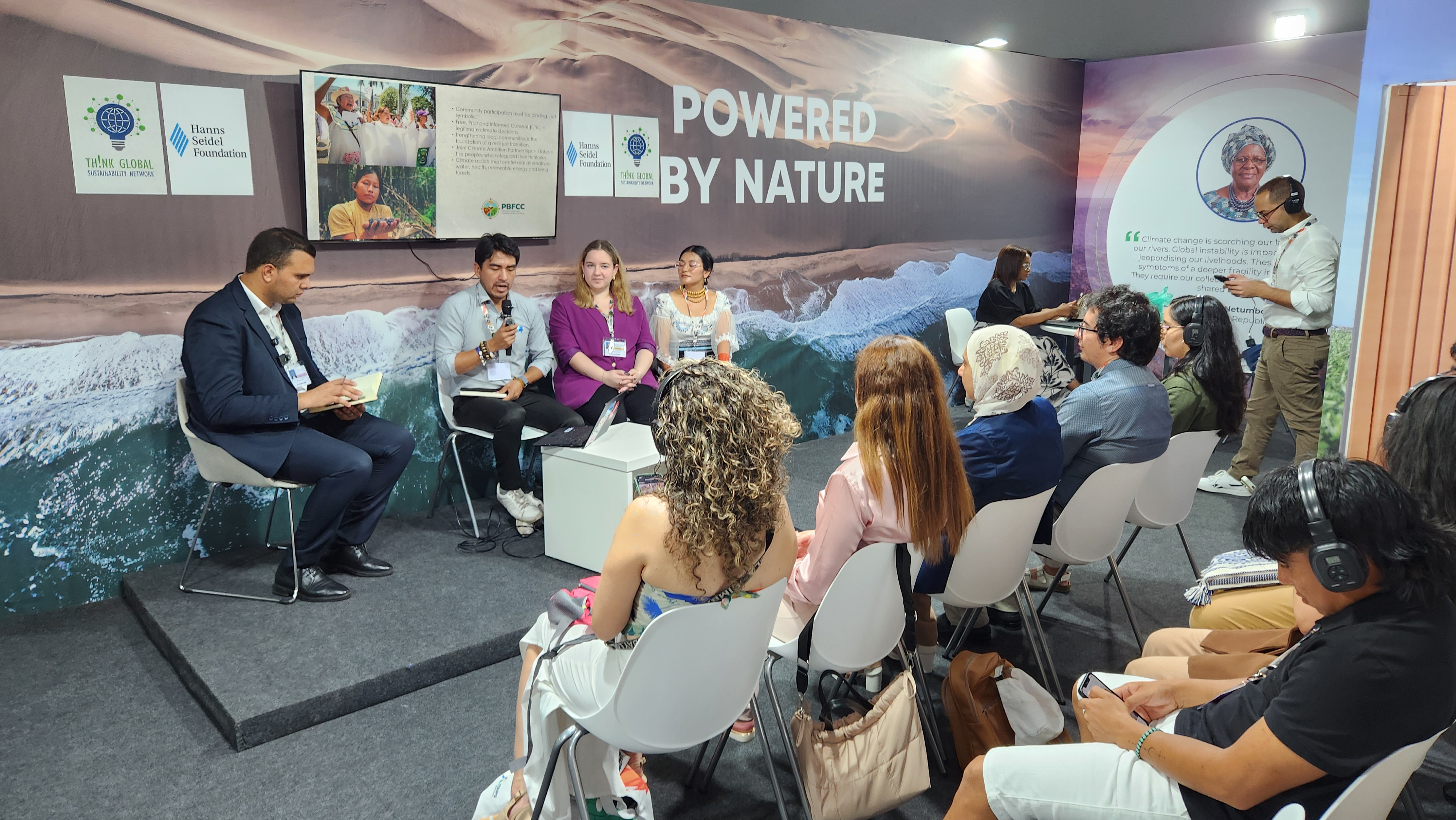
Civil society actors engaging in a UNFCCC COP30 side event to integrate grassroots perspectives into regional and global climate policy
HSS
Latin America
“In Colombia and Latin America, civil society networks strengthen climate action by fostering shared learning, solidarity and mutual support among organisations working on the frontlines of climate change. They connect local action with regional and global processes, ensuring that local knowledge and experiences from the roots inform broader agendas, while global commitments are translated into meaningful, locally rooted solutions.”
Jhoanna Cifuentes, Climalab, Colombia
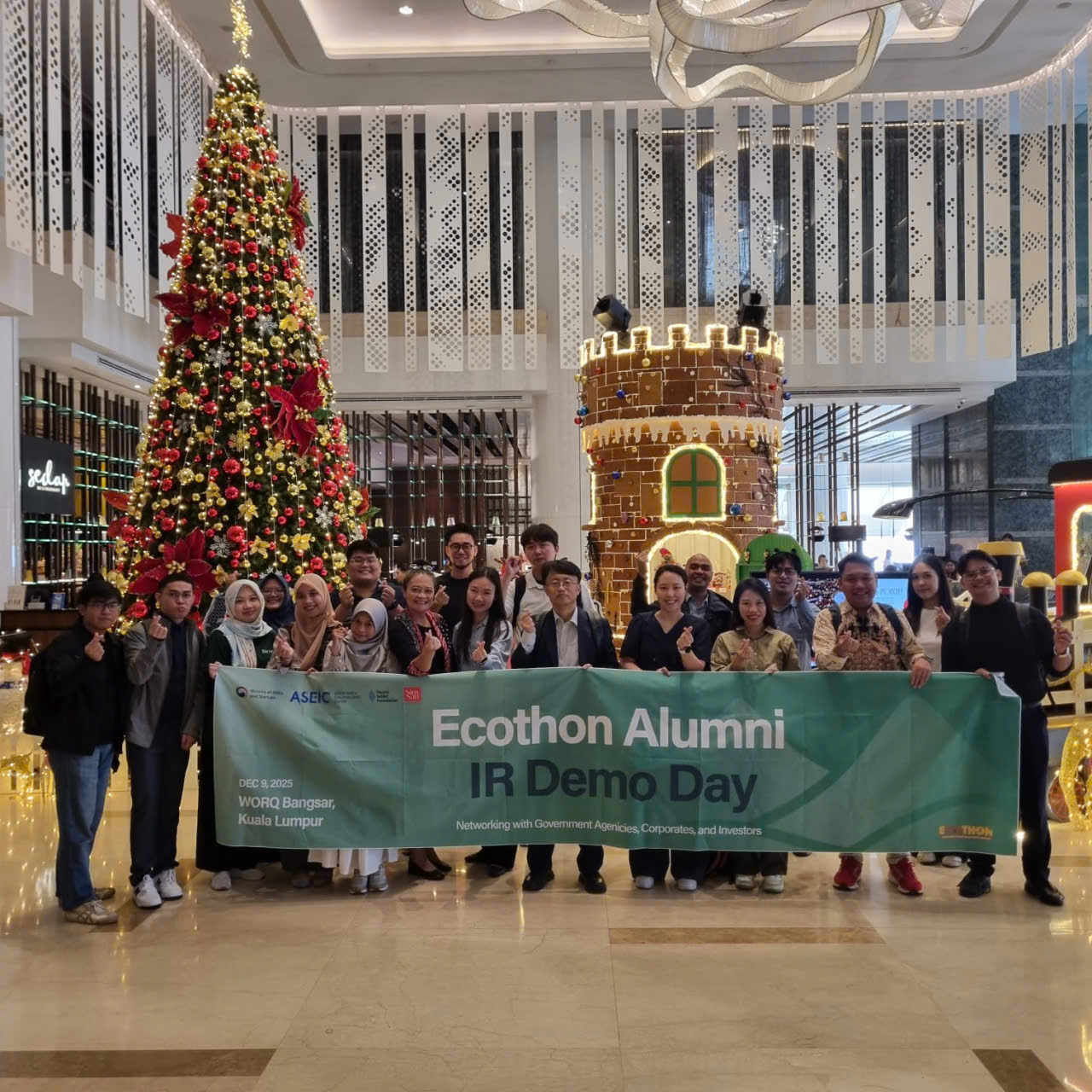
Alumni exchanging knowledge and experiences to support sustainable initiatives and collaborative climate solutions
HSS
Southeast Asia
“In Vietnam, civil society networks are vital because they bridge the gap between grassroots climate initiatives and national policy goals, achieving a scale that individual organisations cannot reach alone. By fostering solidarity and shared learning, these networks empower local actors to contribute effectively to the national Net Zero roadmap and energy transition processes. They transform isolated efforts into a unified, resilient movement and help ensure that local perspectives are integrated into national and global climate policy frameworks.”
Nguyen Hong Long, Centre for Creativity and Sustainability, Vietnam
Central Asia
“Networks offer a level of institutional 'weight' and global visibility that individual organisations rarely achieve on their own, especially when engaging with international conventions like the CMS or CBD and others. They enable us to participate in high-level policy dialogues through a coordinated voice, enabling grassroots insights from Central Asia to inform global agendas. This shared platform builds a bridge between local reality and international policy, strengthening the legitimacy of civil society engagement.”
Marina Koshkina, Association for the Conservation of Biodiversity, Kazakhstan
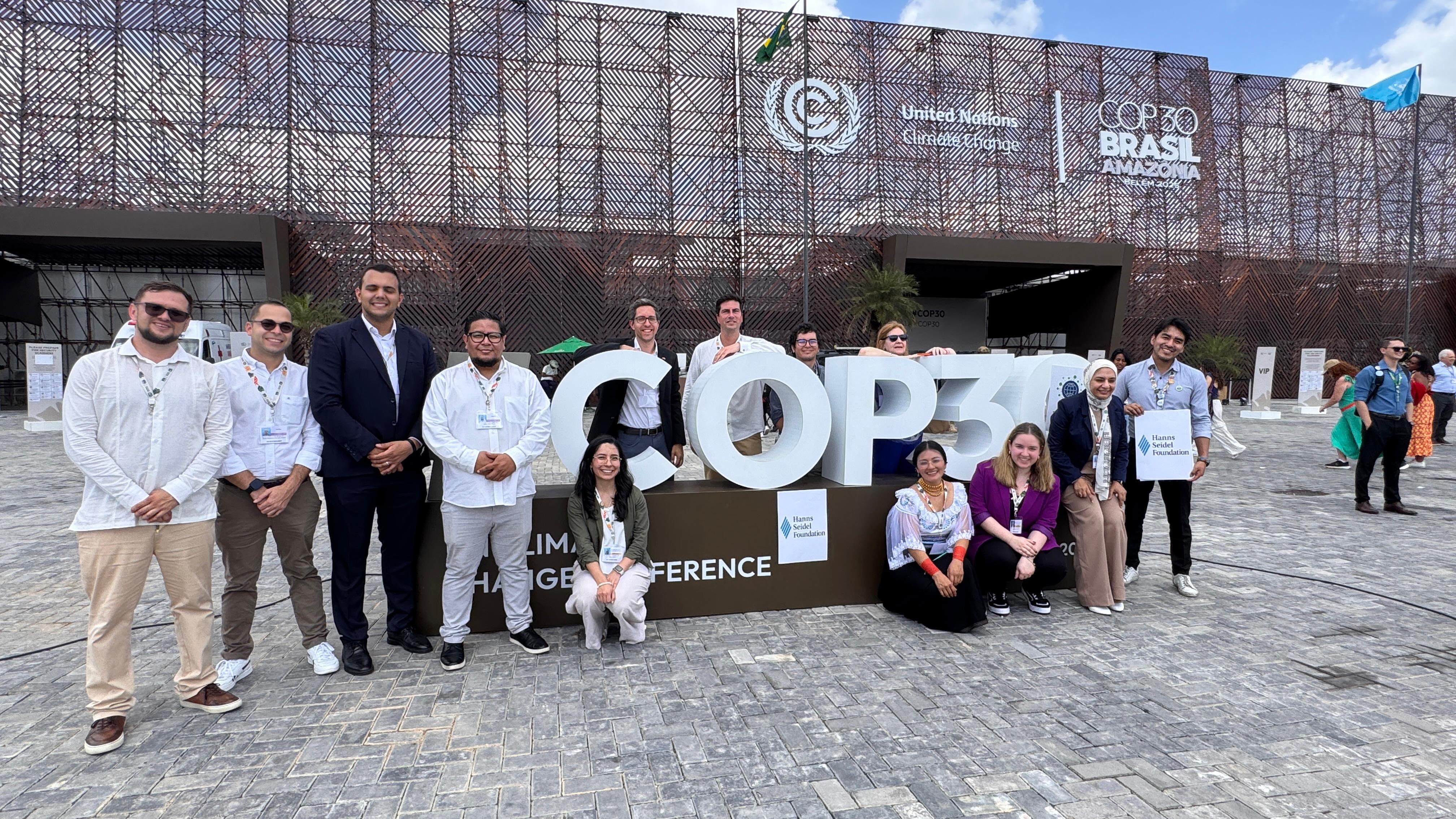
Civil society representatives contributing regional perspectives to international climate discussions at the UNFCCC COP30
HSS
Taken together, these statements demonstrate that civil society networks are not only platforms for exchange but also actors within climate governance systems. By connecting locally grounded experience across regions, networks help to make climate responses more coherent, informed and inclusive.
They enable civil society organisations to consolidate knowledge, align approaches and strengthen their collective voice in political and policy processes. In contexts where access to decision-making is limited and civic space is under pressure, networks can increase the visibility, legitimacy and coordination of civil society actors, thereby improving their capacity to engage constructively with public institutions.
On World NGO Day 2026, these perspectives underscore that effective climate governance cannot rely on state action and international agreements. Structured cooperation with organised civil society networks is essential to ensure that local realities, practical experience and community-based solutions inform regional and global climate policies.
Kontakt
