
Political Analysis
Modi's Post-2024 Policies: Impact on Sustainable and Inclusive Growth
Pixabay
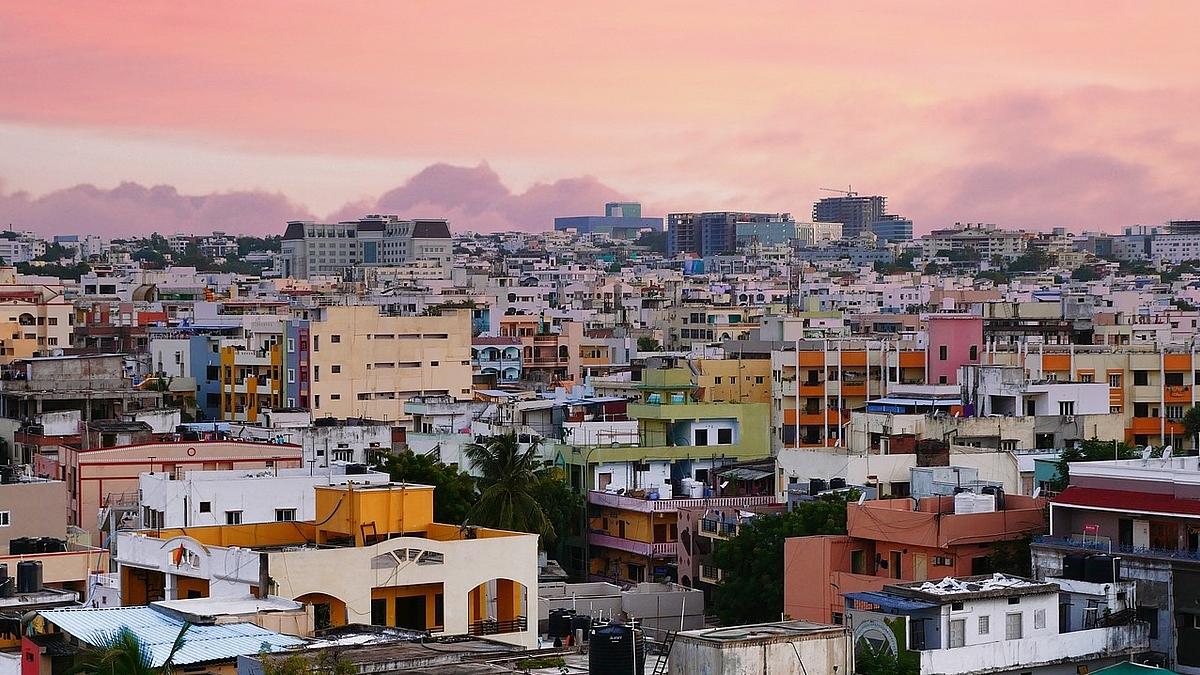
The 2024 national elections in India marked a pivotal moment in the country's political and socio-economic landscape. The Bharatiya Janata Party (BJP)-led National Democratic Alliance (NDA) secured a third term in 2024 with Mr Narendra Modi as Prime Minister for the third consecutive time. Although the BJP's victory in 2024 fell short of the previous two elections in 2014 and 2019 in terms of the number of seats it won and the absolute majority it secured in Parliament, this decisive mandate reflects public confidence in its development agenda.
Modi’s government, propelled by the vision of Viksit Bharat (Developed India) by 2047, has placed socio-economic policies at the forefront of its governance strategy. The roadmap is multi-faceted, addressing economic growth, social progress, environmental sustainability, and good governance. This vision of a Developed India by 2047 aims to transform India into a USD 30 trillion (approx. EUR 28 trillion) economy with a population of 1,65 billion, ensuring inclusive development for all societal segments. However, realizing this requires overcoming significant structural challenges, capitalizing on demographic advantages, and fostering sustainable economic growth.
India's economic rise over the past decade, from the tenth to the fifth largest economy in the world, has fuelled optimism about the country's development trajectory. With a current GDP of USD 3,7 trillion (about EUR 3,35 trillion), India is expected to become the world's third largest economy in the next three years. Despite economic growth, India still has one of the highest rates of income inequality globally, and access to basic services like education, healthcare, and sanitation remains unevenly distributed. Selected socio-economic indicators point to structural challenges in this impressive growth story, such as India's 111th place (out of 125 countries) on the Global Hunger Index (2023), which translates into a serious level of hunger. According to the World Bank, India faces significant obstacles to achieving high-income status, with per capita income currently the lowest among G20 countries, as highlighted in the World Development Report 2024.
The post-2024 period thus offers a crucial lens to evaluate how Modi’s policies are designed to impact India's diverse population, especially the disadvantaged sections of society, including the rural poor, women, and marginalized communities.
Pixabay
Modi’s Socio-Economic Policies: A Strategic Focus
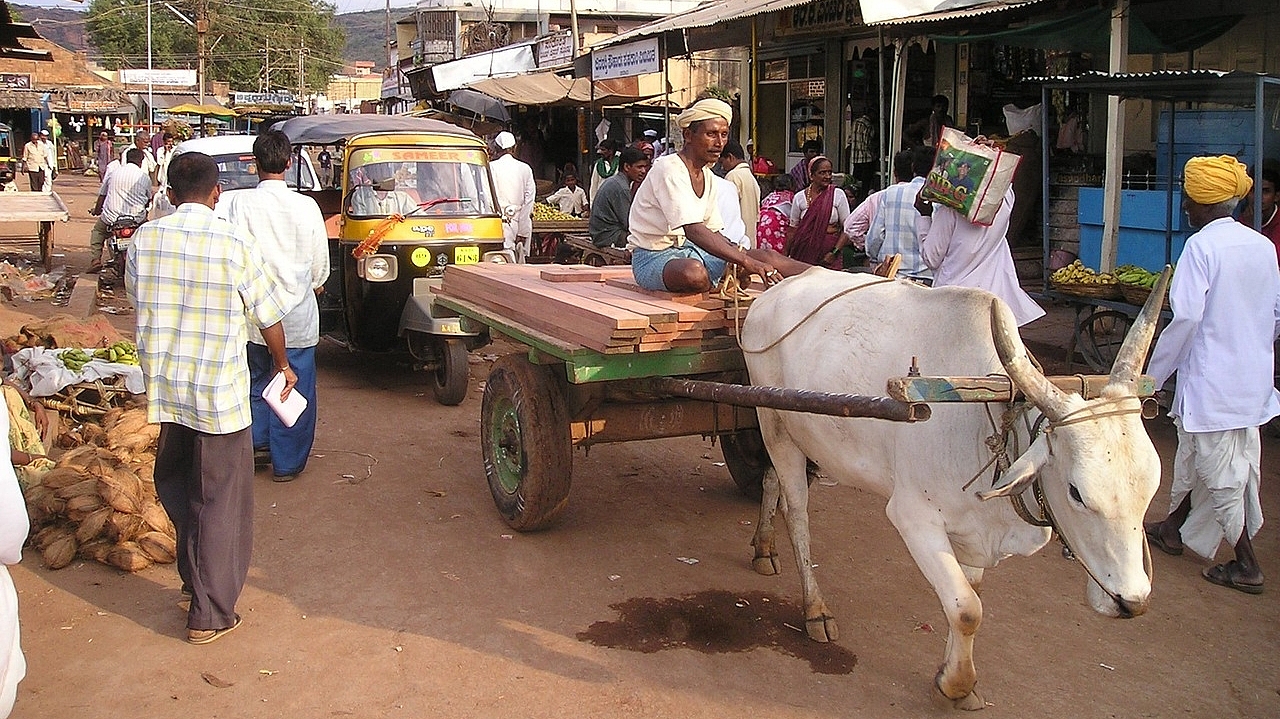
Since 2014, the Modi administration has been characterized by its focus on a mix of welfare-driven and market-oriented policies. The post-2024 socio-economic agenda continues to emphasize these two priorities, aiming to bolster India's economic growth while ensuring that the benefits of development reach the most vulnerable sections of society. Some of the government’s flagship programmes in this regard include Atmanirbhar Bharat (Self-Reliant India Initiative increasing economic capacity and productivity), Skill India (training of youth for the global job market) and the financial inclusion programme Pradhan Mantri Jan Dhan Yojana (PMJDY). Launched in 2014, the latter has been enabling millions of unbanked citizens, particularly from rural areas, to open zero-balance bank accounts. The reach of this initiative has grown since 2024, with the government linking these accounts to direct benefit transfers (DBT), thus minimizing corruption and ensuring that subsidies for food, gas, and pensions reach their intended beneficiaries.
While PMJDY has brought millions into the formal banking system, the question remains: is financial inclusion enough to address the economic inequalities entrenched in society? The policy has certainly empowered marginalized groups to access government welfare schemes more directly, but the real test lies in whether these communities can sustain themselves economically beyond mere financial access. Employment generation and access to opportunities for wealth creation remain critical components that must complement financial inclusion to foster true economic empowerment.
Since unemployment saw a sharp increase from 7 per cent in May 2024 to 9.2 per cent in June 2024, youth employment was a central issue in the national elections this year. Following the elections, the government has strengthened its focus on existing initiatives that increase skills, build infrastructure for employment generation and the country´s manufacturing capabilities, among others.
Their success hinges on robust industry linkages and the ability to train workers in skills that match market demands. Without such alignment, these policies risk becoming mere slogans rather than catalysts for sustainable employment.
Targeting Marginalized Communities: Rural Development and Agricultural Reforms
The Modi government’s rural development agenda has been central to its broader socio-economic framework. A major initiative, Pradhan Mantri Awas Yojana (PMAY), has aimed at providing affordable housing to the poor, particularly in rural areas. The government claims to have constructed millions of homes under this scheme, significantly improving living conditions for many marginalized families. However, some critics argue that despite the infrastructure improvements, these policies often fail to address the systemic poverty and unemployment that rural populations continue to face. Housing, while necessary, does not resolve the deeper socio-economic inequalities prevalent in rural India.
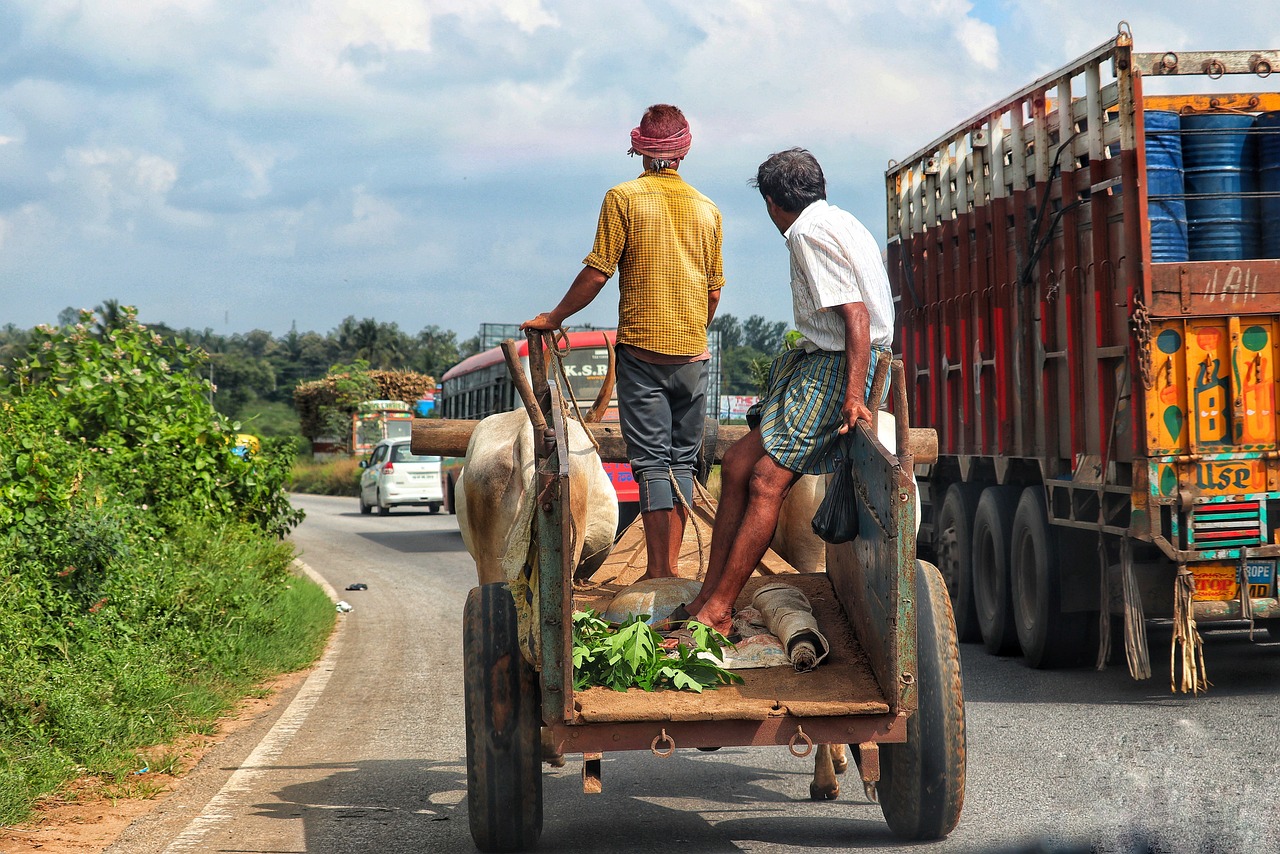
Agriculture, which employs nearly half of India’s workforce, remains critical for inclusive growth. The newly implemented agricultural policies aim to provide reforms to modernize the sector, including increased allocation towards improving agricultural infrastructure and promoting climate-resilient farming techniques. The 2024-25 budget allocation of INR 14.200 crore (approx. EUR 1,5 billion) across seven schemes is intended to improve farmers' livelihoods and strengthen food security.
The government’s agricultural policies also reflect a growing awareness of the need for climate resilience. By promoting sustainable farming techniques and crop diversification, the government aims to make Indian agriculture less vulnerable to climate-related shocks. However, achieving a balance between economic growth and environmental protection will require not just policy announcements but also stringent implementation and a greater focus on public-private partnerships to drive innovation in green technology.
While the government’s pro-market stance, such as promoting private investment and technology in agriculture, aims to improve productivity, many farmers and civil society organizations remain skeptical. The implementation of reforms, particularly involving collaboration with private entities, has raised concerns about the potential marginalization of small and medium farmers. Furthermore, the ongoing debates around the government’s handling of Minimum Support Prices (MSPs) and farm subsidies illustrate the challenges in balancing modernization with equitable support for farmers.
Pixabay
Women-Led Development: Addressing Gender Disparities
The government has made significant progress in the last two terms, moving from women's development to women-led development. Through various policies and programmes such as Beti Bachao, Beti Padhao, Mission Shakti and the New Education Policy (NEP), it has addressed gender discrimination while promoting education, health, housing, entrepreneurship and security for women. The gender budget in the Union budget has also increased by 6.5% in 2025 compared to 2024. In some parts of India, daughters are still seen as a financial burden, as they are leaving home after marriage, which may even include a dowry. However, the sex ratio at birth has improved from 918 (in 2015) to 933 (in 2023) females per 1000 males[1]. With the comeback of the Modi-led government, those schemes continue to be active in preventing discrimination against the girl child, promoting girls' education and increasing their participation in the workforce.
Under the Startup India Scheme and the Self-Help Groups (SHG) initiative, the government is actively fostering a culture of women entrepreneurship. These initiatives have not only benefited women in urban areas but have also empowered them at the grassroots. Prioritizing women-led development is transforming India’s socio-political landscape and driving inclusive growth of women across various sectors, including STEM[2], aerospace, defense and agriculture. Through livelihood creation, social empowerment, financial autonomy and housing security, women are not just participants, but are the driving force of India’s growth story.
However, the broader issue of female workforce participation, which has remained low by global standards, must be addressed with more comprehensive policies that ensure safe and equitable work environments.
Conclusion: Achieving Sustainable and Inclusive Growth
The post-2024 period presents both opportunities and challenges for the Modi government as it seeks to achieve sustainable and inclusive growth. The government's socio-economic policies have laid the foundation for a more inclusive India. The political stability and continuity post the elections enable the continuation and advancement of those initiatives and reforms. However, the effectiveness of these policies will depend on their implementation, the government’s ability to foster public-private partnerships, and a focus on empowering the most vulnerable segments of society. While significant progress has been made in areas like rural development, women’s empowerment, and financial inclusion, the road to achieving the vision of Viksit Bharat by 2047 will require sustained effort, innovation, and an unwavering commitment to ensuring that no section of society is left behind.
Assistant Professor of Political Science at Christ (Deemed to be University)
Jaya Kumari
About the Author
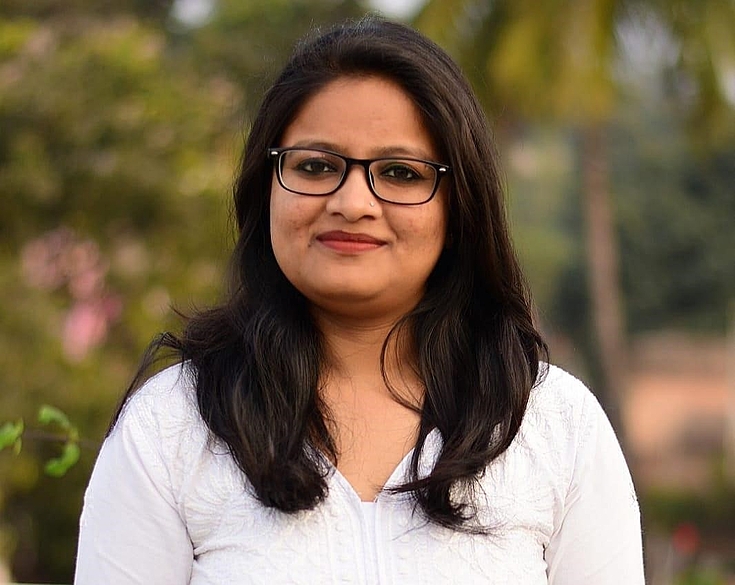
Jaya Kumari, is an Assistant Professor of Political Science at Christ (Deemed to be University), Delhi National Capital Region (NCR). She holds a PhD from the Centre for Comparative Politics and Political Theory, Jawaharlal Nehru University (JNU).
Contact
