
The "Bukele Model" Part I
Is the Bukele Model Replicable Elswhere?
FOCOS; FOCOS
The beginning of a political model
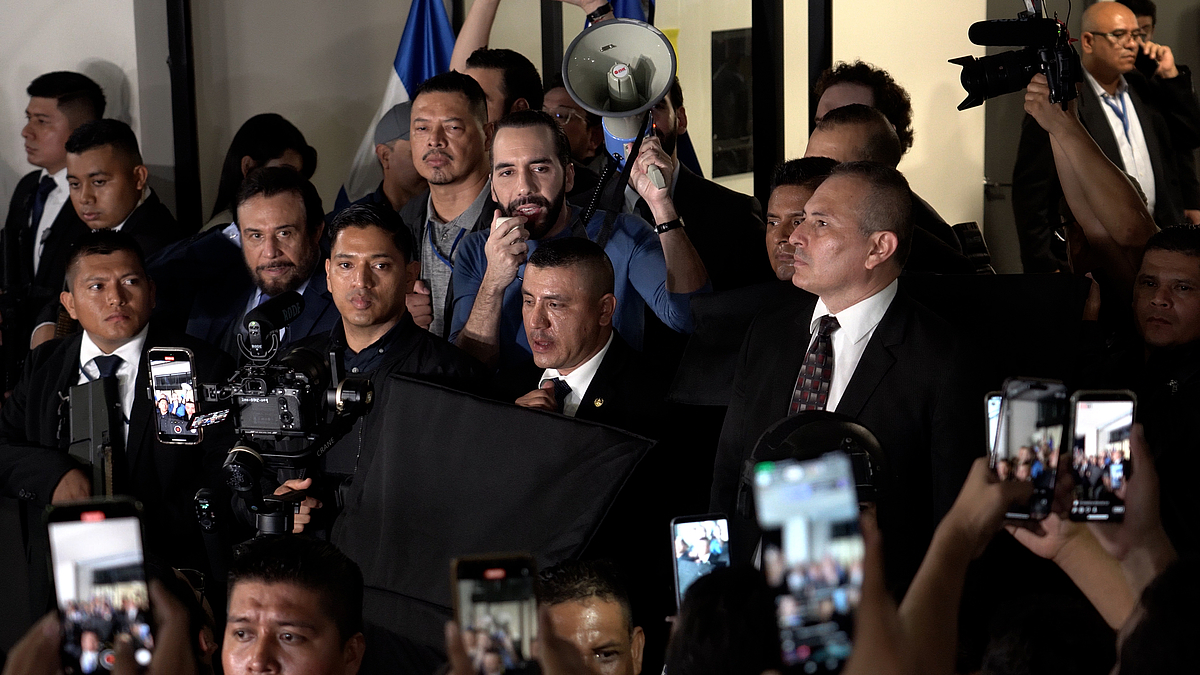
In the 2012 mayoral and congressional elections, Nayib Bukele ran for mayor of Nuevo Cuscatlán, a municipality with a relatively small electorate of only 1,500 voters. At that time, he was not well-known as a political leader. The Salvadoran electorate was divided into four groups, with the Farabundo Martí National Liberation Front (FMLN) representing the left with 30% of the vote, the Nationalist Republican Alliance (ARENA) representing the right with 30% of the vote, 10% of other small parties, and another 30% who declared themselves independent of party sympathies or of the center. It was the latter, the swing vote, that would determine the outcome of the elections. At the time a member of the FMLN party, Bukele was elected mayor of Nuevo Cuscatlán, which marked the beginning of his political career.
The consolidation of Bukele’s leadership and the establishment of the Bukele model
Bukele gained popularity in El Salvador when he became the mayor of Nuevo Cuscatlán. During his term, he made significant improvements in public places and brought benefits to the local population. Although all mayors carry out important projects in their municipalities, Bukele's administration stood out due to his unique approach. At the beginning of his term, he ran a nationwide campaign to promote his works, not only on traditional media such as TV, radio, and print, but also on social media platforms. He was the first politician in El Salvador to recognize and invest in social media, which at the time was not utilized by political parties for their campaigns. In contrast, traditional politicians focused more on clientelistic work in their own districts, rather than proposing solutions to the population's problems.
Bukele's campaign strategy aimed to attract young voters aged 18 to 24, a demographic group that was overlooked by traditional parties who did not consider them a significant voting bloc. However, this group constituted the majority of future voters and was therefore an important demographic group to target. He presented himself as a role model manager and administrator with a deep connection to the population, creating an idealized image of the politician that the public desired to see in office.
During the 2015 mayoral and congressional elections, Nayib Bukele announced his candidacy for mayor of San Salvador under the FMLN party. Despite a closely contested race with his ARENA opponent, he won by a narrow margin due to the existing polarization between the two major political parties in El Salvador. Once in office, Bukele employed an effective communication strategy to disseminate information about his activities to the public. However, he became estranged from the FMLN leadership and was eventually expelled from the party. By that time, the public had grown disillusioned with both the FMLN and ARENA due to several corruption cases, including the imprisonment of a former ARENA president and the flight of another FMLN president. Despite public opinion polls indicating the need for change, the political parties failed to take action, resulting in 58% of voters declaring themselves independent. Bukele saw an opportunity to break the political polarization, but was unable to register his new party, Nuevas Ideas, in time to compete in the 2019 presidential elections. As a result, he ran as a member of the Gran Alianza por la Unidad Nacional (GANA) party.
Bukele began his political campaign with an impressive 80% positive popularity rating. He promised to implement innovative approaches and asked the voters if they wanted to continue with the existing system or bring about change. Throughout his campaign, Bukele championed a platform of change. His campaign slogan, "Give back what you stole," and his use of the phrase "The same as always" to criticize the political-party system, made him the prototypical Father Protector for the electorate. What was he protecting them from? Primarily, from the corrupt political parties. Given the context and the long-standing ARENA-FMLN divide, his strategy proved to be effective, and Bukele won the presidency in the first round.
Marketing strategies utilized
After becoming President, Bukele quickly began a campaign to further weaken and discredit the FMLN and ARENA parties. He used opinion studies and social listening to develop strategies that would appear to address the people's unmet needs but only at a surface level. At the beginning of his term, he faced the challenge of the pandemic, which helped him reinforce his image as a compassionate leader. He took some actions that were legally questionable, but he justified them as necessary to safeguard the public. This was an accurate reading since individuals are willing to give up their rights as long as they perceive or obtain some benefit in return.
In 2021, Bukele's New Ideas party gained the majority in the Legislative Assembly without any political opposition. This allowed Bukele to consolidate his leadership and introduce new measures that were highly popular but legally controversial. One such measure was the implementation of a state of emergency for the frontal attack on gangs, which instilled a sense of fear among the population and helped maintain territorial control. Despite criticism for the harshness of the tactics used against criminals, Bukele's leadership was reinforced by the media coverage and resulted in his successful reelection.
Conclusions
The Bukele model is primarily the result of a well-crafted communication strategy that accurately gauges public opinion, responds to the needs of the people, and effectively utilizes social media to connect with an audience that was previously underserved by traditional politicians. Nevertheless, Bukele would not have attained his objectives without the population's disillusionment with the traditional parties, which were perceived as corrupt and incapable of delivering on their promises. This perception that was crucial to his ascension.
Ruben Moreno; Ruben Moreno
Author
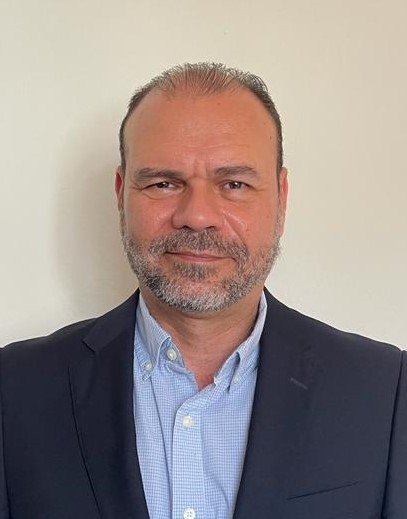
Rubén Moreno (El Salvador)
MBA, Director of Moreno Research, S.A. de C.V., General Coordinator of National and International Qualitative and Quantitative Studies
Contact
