
Short Article
Hungarian Parliamentary Elections 2026
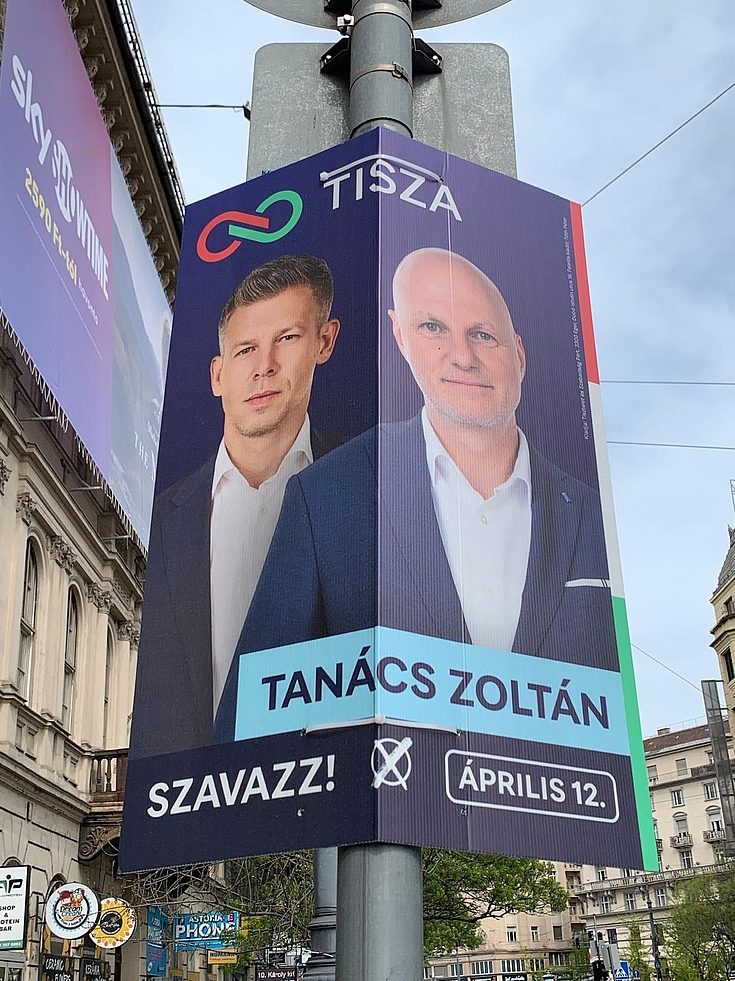
Election winner Péter Magyar (left) with a direct candidate in Budapest.
Dr. Markus Ehm/HSS
How Péter Magyar Broke Orbán’s Power Base: His Rise from Budapest to the Provinces
The Tisza Party, led by Peter Magyar, had been polling higher than Orban`s Fidesz in surveys conducted by independent institutes for months, but the scale of Peter Magyar`s landslide victory was ultimately a surprise. Tisza has won 141 of the 199 seats in the Hungarian Parliament, which amounts to a crucial two-thirds majority. The fundament for this success lies in winning 96 of the country`s 106 constituencies, which are of paramount importance under the current electoral system. To the surprise of many observers, Tisza not only won outright majorities in its traditional urban strongholds, but took the countryside by storm as well. These constituencies, which were considered Fidesz-Country in the past, made the difference and brought the change.
Overall voter`s turnout was 78 % - a record for post-communist Hungary and a clear sign that a change in the country`s leadership was overdue.
Peter Magyar, who was widely unknown outside political circles until two years ago when then brand-new Tisza party managed to send seven MEP to Brussels at the 2024 European elections, had been focussing on connecting with people throughout Hungary. In doing so, he distinguished himself from opposition movements from previous years which always had been labelled as having no understanding of, or empathy for the hardship of everyday life of Hungarians outside Budapest and beyond life in the Capital. During the heated election campaign, Magyar managed to attend up to seven election rallies a day, sometimes in towns you would be hard pressed to find on a map, presenting himself as a down-to earth politician with great diligence and stamina. Thematically, Tisza focussed almost exclusively on domestic policy, in stark contrast to Fidesz`s regional and international ambitions. Magyar placed the fight against corruption on the centre of his political agenda, to be able to finance better medical services in rural areas, initiatives in education policy and upgrading public transport in the Hungarian “Hinterland”. On foreign policy, Magyar simply emphasized Hungary’s place within the European Union and NATO and criticised the current government`s inconsistent policies on both.
Dr. Markus Ehm/HSS
Orbán’s Miscalculation in the Campaign: Why Foreign Policy Escalation and Late Outreach to Voters No Longer Worked
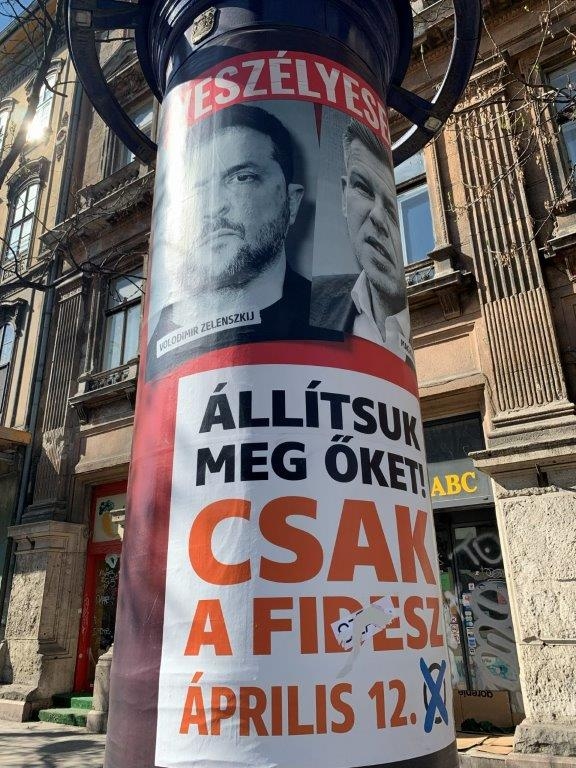
Victor Orban and his Fidesz party based their election campaign on a completely different strategy. Fidesz continued its approach from 2024 EU-election campaign: interaction with voters was very low in its agenda. Closed-doors events for selected insiders dominated, chance encounters were very rare. The 62-year old Victor Orban cultivated his aura as a statesman who engages in global politics on the international stage and stands way above the daily woes of ordinary Hungarians. This approach changed dramatically – and too late for Fidesz – on March 15th , one month before the elections. On this public holiday, both Magyar and Victor Orban held rallies in Budapest to commemorate the 1848 revolution. Both sides spoke in historical settings before tens of thousands of supporters, but Magyar enjoyed far greater popularity. In response, Orban, belatedly, embarked on a tour of the country, but his efforts were no match for the campaign momentum Magyar had established. The number of his stops and rallies significantly lagged behind those of 45-year old Peter Magyar. Victor Orban delivered speeches in market squares to audiences and passers-by, rather than exclusive crowds of die-hard Fidesz supporters as before. There were critical heckles, which Orban dismissed at times in brusque and unbecoming manner, thereby undermining his campaign narrative of himself as a “calm, experienced force”.
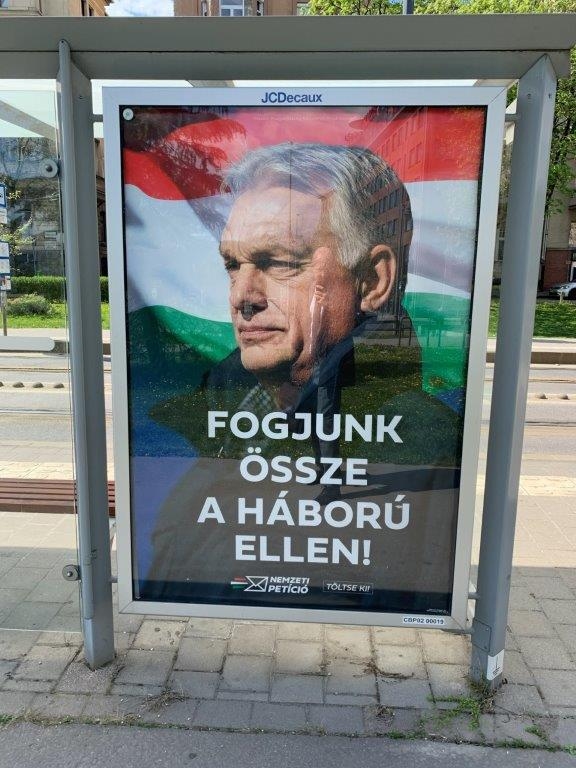
Basically, Victor Orban waged a foreign policy focussed campaign. This included portraying the European Union and the “Brussels Bureaucrats” as the real adversaries responsible for a peace settlement with Ukraine and the high energy prices. Additionally, Orban emphasized his closeness to Russia, and Fidesz launched sustained attacks against Ukrainian President Volodymyr Zelenskyi. And finally, Orban claimed that his challenger Magyar was simply a puppet of the EU and Ukraine, both of which were allegedly deeply interfering in the election.
Fidesz, on the other hand, positioned itself as a force of peace. Four years ago, shortly after Russia`s attack on Ukraine, Viktor Oban was able to capitalize on this rhetoric in the Parliamentary Election, gaining an outright majority. Polls showed that fear of war was much more pronounced among the population back then than it is today.
Dr. Markus Ehm/HSS
Change of Power with Lingering Challenges: The Domestic and Foreign Policy Tests Facing Péter Magyar
Despite his overwhelming election Victory, the future Prime Minister Peter Magyar faces no easy task. Victor Orban has since 2010 filled key positons in Government, in departments and agencies with loyal supporters. State-run media and regional newspapers are firmly under his control. Additionally, inflation has remained at a high level for years, as the economic development has failed to achieve the desired, vigorous momentum. Public debt amounting to 75% of GDP limits the scope of action for the new Government. Tisza had created high expectations regarding the fight against corruption. In their election manifesto, Tisza described Hungary as “the most corrupt member state in the European Union, where the Prime Minister`s family and circle of friends have enriched themselves by billions of forints at the expense of their own people”.
Even if Peter Magyar emphasizes Hungarian interests and constantly appeared at campaign events with a Hungarian flag in his hand, he always stressed the great importance of his county`s anchoring in the West. His chances of unfreezing EU-funds are good. With regards of Ukraine, Peter Magyar has maintained a certain degree of restraint. Although Tisza described Russia as a warmonger in its election manifesto, it opposes Ukraine`s accession to the European Union via fast-track procedure and calls for diplomatic initiatives to end the war. On the issue of illegal migration, Magyar is sticking to his predecessor`s line, supporting the country`s border fence and rejecting Europe`s Asylum and Migration Pact. Peter Magyar intends to make his first foreign trips as Prime Minister to Poland, followed by a visit to Brussels.
Relations between Budapest and Berlin are also likely to improve again: German Chancellor Merz was one of the few leading foreign politicians whom Peter Magyar met during the election campaign.

About the Author
Dr. Markus Ehm is our Resident Representative in the Danube region.
Contact
