
Analysis
Agroforestry: Transforming Southern Africa's Food Systems for Resilience
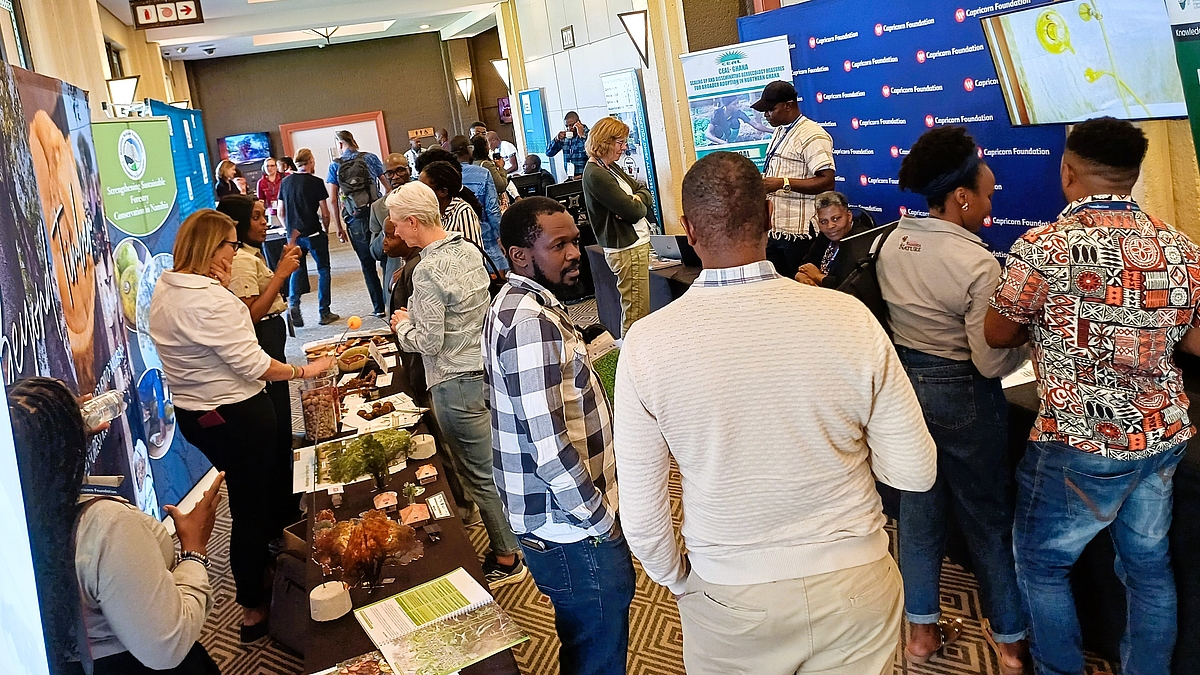
Attendees exploring the exhibition at Namibia’s Agroforestry Conference, engaging with GMACC partners and learning about innovative solutions and initiatives in the field of climate change
As climate change intensifies, Southern Africa faces rising temperatures, erratic rainfall, and worsening droughts, threatening agricultural productivity. Given that agriculture is a key livelihood for millions, these challenges jeopardise the environment, economy, and food security. Agroforestry, which integrates trees into farming systems, offers a climate-resilient solution to address these issues and transform food systems in the region.
Understanding Agroforestry: A Holistic Approach to Farming
Agroforestry integrates the cultivation of trees with crops and/or livestock, harnessing the ecological and economic benefits of both. By combining trees with traditional agricultural systems, agroforestry fosters biodiversity, improves soil health, and enhances water retention, all of which contribute to more sustainable and resilient farming practices.
In Southern Africa, agroforestry is particularly well-suited to address the region’s challenges of
climate extremes, poor soil fertility, and fluctuating rainfall patterns. While agroforestry systems can vary in scale and design, they commonly include practices such as alley cropping, where agricultural crops are grown alongside long-term tree crops; forest farming, which involves cultivating high-value crops under the protection of a managed forest canopy; and agroforestry for livestock, where trees are integrated into pasture systems to provide shade and feed for animals, boosting their health and productivity.
Through these practices, agroforestry offers a comprehensive approach to land management that not only enhances food production but also restores ecosystem services and strengthens climate resilience.
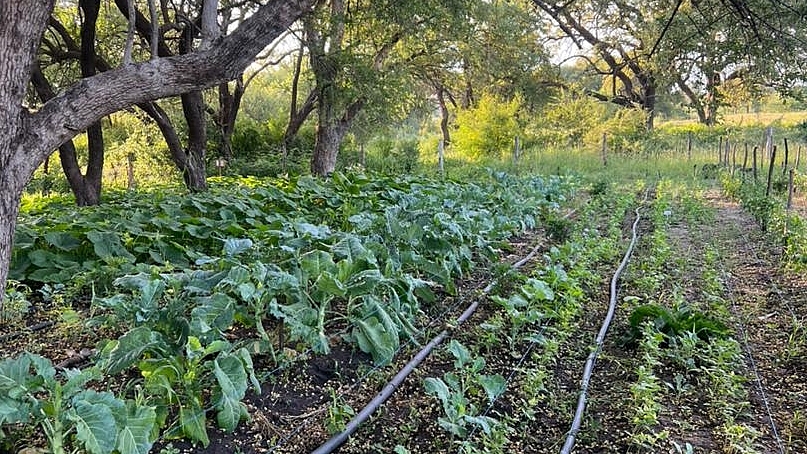
Agroforestry in Kavango West, Namibia: A sustainable approach to farming that supports local livelihoods
Hanjo Lühl, Aywa Forest Farm, Kavango West, Namibia
Climate Resilience: Agroforestry’s Role in Adapting to Climate Change
Southern Africa is one of the most climate-vulnerable regions in the world, facing projected impacts such as more frequent droughts, unpredictable rainfall, and rising temperatures. Agroforestry presents several strategies to mitigate and adapt to these challenges.
Trees in agroforestry systems improve soil structure and enhance moisture retention, which is especially critical in drought-prone areas. Their deep roots draw up water and nutrients, supporting crops during dry periods and boosting overall productivity. In addition, trees play a significant role in carbon sequestration by storing carbon in their biomass and soil, thus helping offset greenhouse gas emissions while contributing to ecosystem health.
Agroforestry also helps regulate the microclimate by providing shade and shelter for crops, moderating temperatures, reducing wind damage, and preventing soil erosion. This creates a more stable environment for farming, lessening the impact of extreme weather events like heatwaves. Moreover, agroforestry increases the resilience of farming households by diversifying income sources. The sale of tree products such as fruit, nuts, timber, honey, and medicinal plants provides an additional revenue stream, reducing dependence on a single crop and enhancing economic security.
Enhancing Food Security in Southern Africa
Agroforestry has the potential to significantly enhance food security in Southern Africa by improving both the quantity and quality of food production. In a region heavily dependent on rain-fed agriculture, the ability of trees to increase water retention in the soil ensures more reliable crop yields, even in areas with inconsistent rainfall.
Moreover, agroforestry systems can improve the nutritional value of food by incorporating fruit- bearing trees, legumes, and other nutrient-dense crops. These diverse cropping systems offer a broader range of foods, reducing the region's reliance on monoculture crops like maize and providing farmers with more nutritious food options.
By promoting agricultural diversification and increasing resilience to climate extremes, agroforestry helps reduce the risk of food insecurity, particularly in rural communities where agriculture is the main source of food and income.
Socioeconomic Benefits and Empowerment
Agroforestry is not only an environmentally sustainable practice but also provides significant socioeconomic benefits to communities in Southern Africa. It plays a key role in empowering women, as they are often central to agricultural activities in many communities. Through agroforestry, women gain access to valuable tree products like fruit, nuts, and firewood, which can enhance household income and nutrition.
Additionally, the development of agroforestry-based industries — such as the processing and trade of timber, fruits, and other non-timber forest products — creates employment opportunities in rural areas. By boosting agricultural productivity, enhancing ecosystem services, and promoting sustainable land use, agroforestry also strengthens the resilience of local economies, fostering long- term economic stability.

Fruit trees in agroforestry systems enhance productivity and diversify yields for sustainable farming
Hanjo Lühl, Aywa Forest Farm, Kavango West, Namibia
Challenges to Scaling Agroforestry in Southern Africa
While agroforestry offers a promising solution for climate resilience and sustainable agriculture, there are several challenges that must be addressed to scale its implementation across Southern Africa. One major challenge is the lack of knowledge and training among many farmers in the region. Many are unfamiliar with agroforestry systems or lack the technical skills needed to implement them effectively. To overcome this, extension services and farmer education programs are essential for disseminating knowledge about the benefits and best practices of agroforestry.
Another key barrier is the need for policy and institutional support. While agroforestry has the potential to transform agricultural systems, it requires financial incentives and policy backing from governments and international organizations. This support could include subsidies, access to financing, and a regulatory framework that encourages investments in agroforestry.
Land tenure and ownership also present significant challenges in many parts of Southern Africa. Secure land rights are crucial for farmers to make long-term investments in agroforestry, as they need assurance that they will benefit from the trees they plant over the years.
Lastly, access to inputs and markets remains a concern. Farmers need access to quality seeds, tree seedlings, and reliable market connections to ensure that agroforestry practices are economically viable. Strengthening market linkages for tree products and value-added products from agroforestry systems is essential to creating economic opportunities and ensuring sustainability.
Conclusion
Agroforestry is not just a farming method but a powerful strategy for enhancing climate resilience, improving food security, and fostering sustainable development in Southern Africa. By integrating trees into agricultural landscapes, the region can mitigate the impacts of climate change and transform food systems. However, scaling agroforestry requires supportive policies, education, and investment to help farmers unlock their full potential. With the right support, agroforestry could be a transformative solution, delivering long-term environmental and socioeconomic benefits for future generations.

About the Author
Dr Lara Beer holds a PhD in Agricultural Economics from the University of Göttingen, Germany, and has a proven track record in renewable energies, sustainable development, agroforestry, and climate-smart agriculture. Currently, she heads the Hanns Seidel Foundation’s Global Project on Mitigation and Adaptation to Climate Change (GMACC), where she leads initiatives to address climate change challenges.
Contact
